The Nood device’s manual, available as a PDF and on CD-ROM, is crucial for safe operation; it details everything needed for effective use, referencing vital safety warnings.
What is the Nood Device?
The Nood device represents a novel approach to at-home hair reduction, utilizing Intense Pulsed Light (IPL) technology. It’s designed for convenient, targeted treatment across various body areas – legs, bikini line, arms, and more. Understanding its functionality begins with a thorough review of the Nood instruction manual PDF;
This manual isn’t merely a guide; it’s essential for maximizing efficacy and, crucially, ensuring safety. The device incorporates up to eleven modules requiring careful attention. The manual details preparation steps, considering skin tone and hair color, alongside precise device settings. It emphasizes avoiding direct eye exposure due to its Class 3R laser classification, and stresses the importance of following all instructions before initial use.
Understanding the Nood Instruction Manual’s Importance
The Nood instruction manual PDF is paramount for successful and safe operation. It’s not simply a supplementary document, but a critical component of the device itself. Users are explicitly advised to study it “carefully,” becoming the “expert” in defusing potential issues. The manual contains vital safety precautions, specifically referencing pages 80 and 81, and handling precautions on pages 8 and 9.
Ignoring these instructions could lead to ineffective treatment or, potentially, injury. The manual also details troubleshooting for device malfunctions, skin reactions, and provides information about the included CD-ROM. It’s a comprehensive resource, ensuring users understand the device’s capabilities and limitations, maximizing results and minimizing risks.
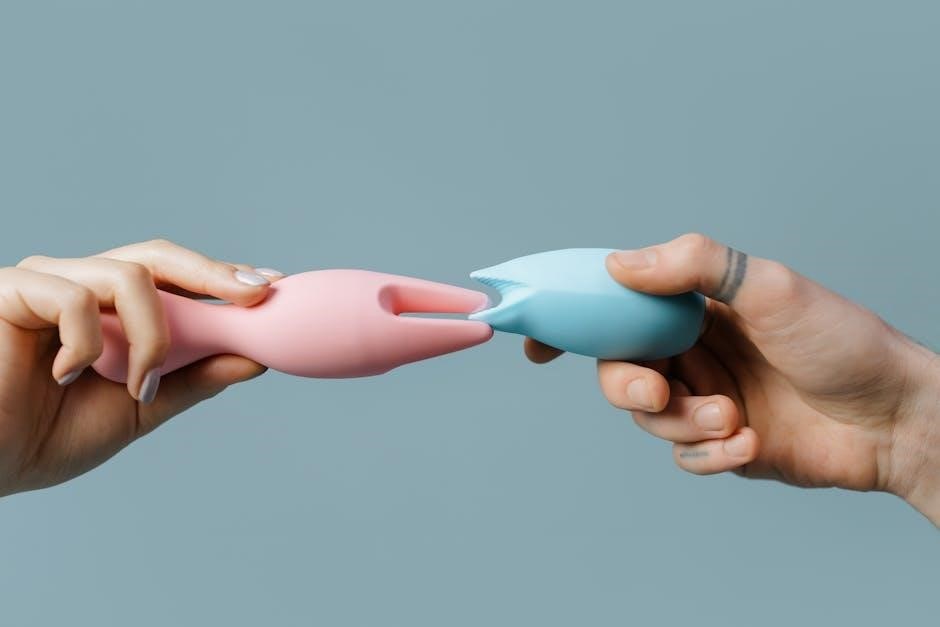
Nood Device: Core Functionality & Technology
The Nood device utilizes IPL technology for targeted hair reduction, and the instruction manual PDF details its operation and safety features for optimal results.
Nood’s IPL Technology Explained
The Nood device employs Intense Pulsed Light (IPL) technology, a non-invasive method for long-term hair reduction. The nood instruction manual PDF thoroughly explains how IPL works by emitting light pulses absorbed by melanin in hair follicles.
This absorption heats and disables the follicle, inhibiting future hair growth. The manual emphasizes that IPL is most effective on individuals with a contrast between skin and hair color. It details how the device’s settings adjust light intensity for various skin tones, ensuring safety and efficacy.
Understanding these principles, as outlined in the manual, is vital for achieving optimal results and avoiding potential skin reactions. Proper usage, guided by the PDF, maximizes the benefits of Nood’s IPL technology.
Nood’s Application: Targeted Hair Reduction
The Nood device is specifically designed for targeted hair reduction on various body areas, as comprehensively detailed within the nood instruction manual PDF. Users report noticeable slowdowns in hair growth, particularly after consistent use – one user noted significant difference after five treatments on their arms.
The manual provides specific guidance for treating legs, the bikini area, arms, and even sensitive areas like the balls (as reported by a user). It stresses the importance of skin tone and hair color considerations for optimal results.
The PDF outlines how to adjust device settings for different areas and skin types, ensuring safe and effective hair reduction. Following the manual’s instructions is key to maximizing the device’s potential.
Navigating the Nood Instruction Manual
The Nood instruction manual PDF contains comprehensive contents, including crucial safety precautions (pages 80 & 81) and essential handling precautions (pages 8 & 9).
Manual Contents Overview
The Nood instruction manual PDF serves as a complete guide, detailing every aspect of the device’s operation. It begins with fundamental explanations of the Nood’s IPL technology and its specific application for targeted hair reduction. Users will find detailed step-by-step instructions for preparation, including considerations for skin tone and hair color.
The manual meticulously outlines device settings and intensity levels, alongside specific treatment procedures tailored for various body areas – legs, bikini area, and arms, among others. Crucially, it includes a dedicated section on troubleshooting common issues, addressing potential device malfunctions and skin reactions. Finally, it provides essential guidance on cleaning, storage, and handling precautions, ensuring longevity and safe usage.
Safety Precautions & Warnings (Referencing p.80, 81)
The Nood instruction manual PDF emphasizes paramount safety. Pages 80 and 81 detail critical warnings, including a strict prohibition against direct eye exposure due to the Class 3R laser. Users are instructed to thoroughly read and understand all safety notes before initial operation.
The manual cautions against any attempts at self-repair or modification, stressing that such actions could lead to injury. It also highlights the importance of following care and cleaning instructions diligently. The PDF stresses avoiding injury and provides guidance on proper operation, referencing corresponding hints within the manual itself for optimal and secure use of the device.

Using the Nood Device: A Step-by-Step Guide
The Nood instruction manual PDF guides users through preparation, device settings, and treatment procedures for various body areas, ensuring optimal results.
Preparation Before Use (Skin Tone & Hair Color Considerations)
Before initiating Nood treatments, carefully consult the instruction manual PDF regarding skin tone and hair color compatibility. The manual details crucial considerations for achieving optimal and safe results. Users with fair skin and dark hair generally experience the most noticeable hair growth slowdown, as reported in user experiences.
However, the Nood manual emphasizes the importance of understanding individual skin sensitivity. It’s vital to perform a patch test, as outlined in the PDF, to assess potential skin reactions or irritation. The manual doesn’t specify limitations for all skin/hair combinations, but stresses caution and adherence to recommended intensity levels based on individual characteristics. Always prioritize safety and refer to the PDF for detailed guidance.
Device Settings and Intensity Levels
The Nood instruction manual PDF provides a comprehensive guide to understanding and adjusting device settings. It details various intensity levels, crucial for personalized treatment. Starting with the lowest setting is strongly advised, particularly for initial use, as highlighted within the manual.
Gradually increasing intensity, based on skin tolerance and hair thickness, is recommended. The PDF emphasizes that higher settings aren’t always better and can increase the risk of skin irritation. The manual also clarifies how to select appropriate settings for different body areas, referencing specific recommendations for sensitive zones like the bikini area. Always consult the PDF for detailed instructions and safety precautions regarding intensity level adjustments.
Treatment Procedure for Different Body Areas (Legs, Bikini Area, Arms, etc.)
The Nood instruction manual PDF outlines specific treatment procedures tailored to various body areas. It details how to adapt the technique for legs, requiring broader strokes, versus the bikini area, demanding more cautious application. The manual stresses the importance of shorter bursts and lower intensity for sensitive regions.
For arms, a consistent gliding motion is recommended, while the PDF advises against overlapping too much on any single spot. The manual also provides guidance on hair length – optimal results are achieved with closely shaved or trimmed hair. Always refer to the PDF for detailed instructions and diagrams illustrating proper technique for each body area, ensuring safe and effective hair reduction.
Nood Device: User Experiences & Results
User reports, detailed within the Nood instruction manual PDF, show slowed hair growth, particularly on arms and legs, with noticeable results after consistent use.
Reported Results: Hair Growth Slowdown
Numerous users, referencing guidance from the Nood instruction manual PDF, consistently report a significant slowdown in hair regrowth after utilizing the device. One user experienced a “major difference” on their arm after just five treatments, noting hair wasn’t gone, but growth was demonstrably slower.
This aligns with the device’s intended function of targeted hair reduction, as outlined in the manual. Husband’s experiences, detailed in online discussions, also corroborate these findings, even with dark and thick hair. The manual PDF emphasizes consistent use for optimal results, and user testimonials suggest adherence to these guidelines yields noticeable improvements.
These positive outcomes reinforce the device’s efficacy when used correctly, as detailed within the comprehensive instruction manual.
User Experiences with Varying Skin & Hair Types
User feedback, often shared alongside references to the Nood instruction manual PDF, highlights varied experiences based on skin tone and hair color; A user with fair skin and dark hair reported positive results, specifically for leg and bikini area treatments, aligning with the device’s suitability for this combination.
Conversely, another user with light skin also saw benefits, even with light/thin hair, demonstrating the device isn’t limited to dark, coarse hair. The manual PDF likely details appropriate settings for different types, and users emphasize following these guidelines.
These diverse experiences underscore the importance of personalized treatment, guided by the instruction manual.
Husband’s Experience: Dark & Thick Hair Treatment
A user’s husband, possessing light skin and notably dark, thick hair, underwent treatment on a sensitive area – his “balls” – over a 12-week period. This experience, frequently referenced alongside the Nood instruction manual PDF, demonstrates potential efficacy even with challenging hair characteristics;
The success suggests adherence to the manual’s recommended settings for higher intensity levels, crucial for targeting stubborn hair follicles. While results vary, this case study highlights the device’s capability beyond typical leg or arm hair reduction.
Proper usage, as detailed in the PDF manual, appears key to achieving positive outcomes.

Troubleshooting Common Issues
The Nood instruction manual PDF details device malfunctions, error codes, and skin reactions; always consult it first for solutions to common problems and irritation.
Device Malfunctions & Error Codes
The Nood instruction manual PDF provides a comprehensive list of potential device malfunctions and associated error codes. Should the device fail to power on, or display an unusual error message, the manual directs users to specific troubleshooting steps. These steps range from checking the power connection and ensuring proper button presses, to identifying specific module failures.
The manual emphasizes not attempting self-repair, as this could void the warranty and potentially cause further damage. Instead, it provides contact information for authorized service centers. Detailed explanations of each error code are included, helping users understand the nature of the problem before seeking professional assistance. Remember to always refer to the manual before contacting support, as it may resolve the issue quickly.
Skin Reactions & Irritation
The Nood instruction manual PDF dedicates significant attention to potential skin reactions and irritation. It details that mild redness or tingling is normal post-treatment, but persistent discomfort warrants immediate attention. The manual advises users to discontinue use if experiencing blistering, swelling, or significant pain.
It stresses the importance of adhering to recommended intensity levels based on skin tone and hair color, referencing preparation guidelines. The PDF also outlines appropriate aftercare, including avoiding sun exposure and using soothing lotions. Should irritation occur, the manual suggests consulting a dermatologist. It’s crucial to follow all precautions to minimize adverse effects and ensure safe, effective hair reduction.
Nood Device: Maintenance & Care
The Nood instruction manual PDF provides detailed cleaning and storage instructions, alongside crucial handling precautions (pages 8 & 9) for optimal device longevity.
Cleaning and Storage Instructions
Referencing the Nood instruction manual PDF is paramount for proper device upkeep. After each use, ensure the device is completely cooled down before cleaning. Gently wipe the flash window with a soft, dry cloth to remove any residue. Avoid using abrasive cleaners or excessive moisture, as this could damage the sensitive components.
For storage, keep the Nood device in a cool, dry place, away from direct sunlight and extreme temperatures. The original packaging is ideal for protection. Ensure the power cord is neatly coiled and stored separately. Regularly check the device for any signs of damage, and if any are found, discontinue use and consult the manual for troubleshooting or contact customer support. Proper care extends the lifespan and effectiveness of your Nood device.
Handling Precautions (Referencing p.8, 9)
The Nood instruction manual PDF, specifically pages 8 and 9, details critical handling precautions. Avoid direct eye exposure to the laser light – the device is a Class 3R laser product. Never attempt to disassemble, repair, or modify the Nood device yourself; this voids the warranty and poses a safety risk.
Always follow the provided instructions for care and cleaning. Never adjust internal components. Ensure the device is used only as intended, and refrain from dropping or subjecting it to physical shock. Improper handling can lead to malfunction or injury. Prioritize safety by adhering to all guidelines outlined in the manual.

Understanding the Nood’s Etymology & History
“Nood” originates from Dutch, meaning noodles, tracing back to the 14th-century Italian nodo (knot); the instruction manual PDF details this history.
Origin of the Term “Nood” (Dutch & Italian Roots)
The term “Nood” possesses a fascinating linguistic history, deeply rooted in both Dutch and Italian languages. Its primary origin lies within the Dutch language, where “nood” simply translates to “noodles.” However, tracing further back, the etymology reveals a connection to the mid-14th century Italian word “nodo,” meaning a knot.
This evolution from “knot” to “noodles” and ultimately to the name of this device is intriguing. The Nood instruction manual PDF doesn’t extensively detail this linguistic journey, but acknowledges the term’s origins. It’s speculated the connection might relate to the device’s ability to ‘untangle’ unwanted hair, metaphorically ‘untying’ the knot of hair growth. Understanding this history adds a layer of depth to the product’s identity, showcasing a blend of cultural influences.
Evolution of the Nood Device
The Nood device represents a significant advancement in at-home hair reduction technology. While the Nood instruction manual PDF doesn’t provide a detailed chronological history, user reports suggest a noticeable evolution from earlier IPL devices. Initial iterations focused on basic functionality, but the Flasher 2.0, as mentioned in user experiences, demonstrates improved effectiveness.
Users have observed a significant slowdown in hair growth after just a few treatments, indicating refined IPL technology. The manual emphasizes safety, reflecting a commitment to user well-being throughout the device’s development. Continuous improvement, driven by user feedback and technological advancements, has shaped the Nood into its current form, offering a promising solution for targeted hair reduction.

Additional Resources & Support
The Nood instruction manual is accessible as a PDF on a CD-ROM; further assistance can be found online, supplementing the provided guidance.
Instruction Manual CD-ROM Information
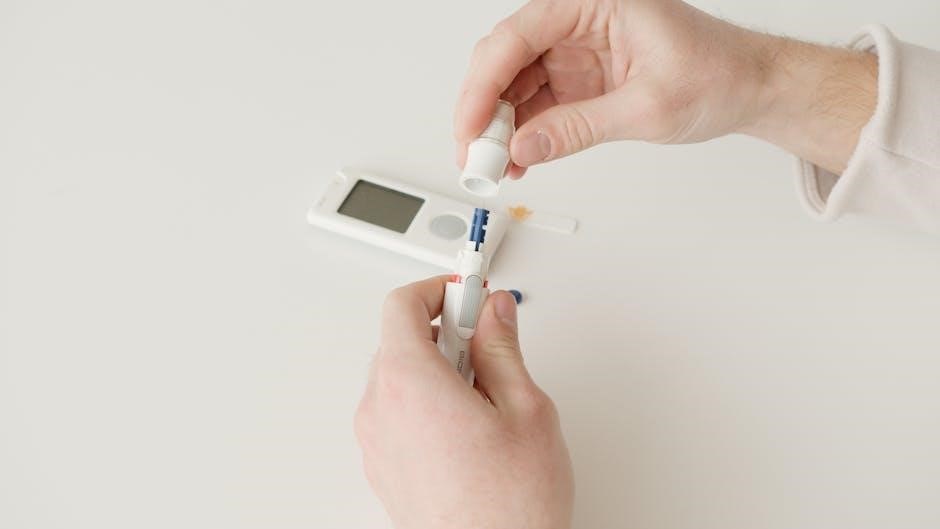
The Nood device includes a comprehensive instruction manual provided both in printed form and digitally on a CD-ROM. This digital version offers convenient access to all the information contained within the physical manual, allowing users to easily search for specific details or troubleshooting steps. The PDF format ensures compatibility across various operating systems and devices.
Users can utilize the CD-ROM to review safety precautions (pages 80 & 81), handling precautions (pages 8 & 9), and detailed operational instructions. Should the CD-ROM become damaged or inaccessible, a downloadable PDF version of the manual is recommended to be sourced from the official Nood support website, ensuring continued access to vital product information.
Where to Find Further Assistance
Beyond the included instruction manual – available as a PDF on the accompanying CD-ROM – additional support resources are readily accessible. Users seeking clarification or experiencing issues not covered in the documentation should first consult the official Nood website for frequently asked questions and troubleshooting guides.
Dedicated customer support channels, including email and potentially phone assistance, are available to address specific concerns. Online communities and forums dedicated to the Nood device can also provide valuable peer-to-peer support and shared experiences. Remember to always refer to the PDF manual for safety warnings and proper usage guidelines before contacting support.