Frigidaire Side-by-Side Refrigerator Manual: A Comprehensive Guide
Welcome! This manual provides essential guidance for optimal performance, safety, and longevity of your new Frigidaire side-by-side refrigerator appliance.
Congratulations on your purchase of a Frigidaire side-by-side refrigerator! You’ve invested in a modern appliance designed for convenience and efficiency in food preservation. This refrigerator offers a spacious interior, advanced temperature management, and features like ice and water dispensing to simplify your daily life.
This manual is designed to be your comprehensive resource, guiding you through everything from initial setup and operation to routine maintenance and troubleshooting. We strongly recommend taking the time to read this manual thoroughly before using your refrigerator for the first time. Understanding its features and proper operation will ensure years of reliable performance and help you maximize its benefits.
Inside, you’ll find detailed instructions, helpful diagrams, and important safety information. Keep this manual readily accessible for future reference, and share it with all members of your household.
Important Safety Instructions
Safety First! Please read these instructions carefully before installing and operating your Frigidaire side-by-side refrigerator. Ignoring these warnings could result in injury or damage to the appliance. This refrigerator is designed for household use only. Any other use will void the warranty.
Warning: To reduce the risk of electric shock, do not operate the refrigerator with a damaged power cord or plug. Never unplug the refrigerator by pulling on the cord. Always disconnect the power supply before cleaning or performing maintenance. Do not store flammable materials near the refrigerator.
Caution: Improper installation or operation can create a hazardous situation. Ensure the refrigerator is properly grounded. Do not allow children to play with or inside the appliance. Always supervise children when they are near the refrigerator.
2.1 Electrical Connection Guidelines
Proper electrical connection is crucial for safe and efficient operation of your Frigidaire refrigerator. This appliance requires a dedicated 115V, 60Hz AC electrical outlet. Do not use an extension cord or adapter plug. If a dedicated outlet is not available, have one installed by a qualified electrician.
Important: The outlet must be properly grounded to prevent electrical shock. Ensure the voltage matches the specifications on the refrigerator’s rating plate. Avoid plugging the refrigerator into the same circuit as other high-wattage appliances. This can cause overloading and potential fire hazards.
Before connecting, verify the outlet is functioning correctly. Regularly inspect the power cord for damage. If the cord is damaged, it must be replaced by a qualified technician to avoid hazards. Never attempt to repair the cord yourself.
2.2 Grounding Requirements
Essential for safety, your Frigidaire side-by-side refrigerator must be properly grounded. Grounding provides a safe path for electrical current in the event of a malfunction, reducing the risk of electric shock. This appliance is equipped with a three-prong grounding plug.
Do not under any circumstances remove or alter the grounding prong. If your outlet only has two slots, consult a qualified electrician to install a properly grounded three-slot outlet. Using a two-prong adapter defeats the safety purpose of grounding and is strongly discouraged.
Verify the grounding system is functioning correctly. A faulty ground can render the appliance unsafe. If you are unsure about your home’s grounding system, have it inspected by a licensed electrician. Proper grounding is a critical safety feature and should not be compromised.
2.3 Child Safety Precautions
Supervision is key! Never allow children to operate, play with, or climb on your Frigidaire side-by-side refrigerator. The appliance presents potential hazards, including entrapment and electrical shock. Always supervise children when they are near the refrigerator.
Remove doors if the refrigerator is to be discarded or is no longer in use. Leaving the doors intact poses a significant entrapment risk for young children. Failure to do so can be fatal. Ensure the refrigerator is rendered completely unusable before disposal.
Educate children about the dangers associated with refrigerators. Explain that the appliance is not a toy and should not be touched without adult supervision. Regularly reinforce these safety lessons. The dispenser lock feature should always be utilized when children are present.
Getting to Know Your Refrigerator – Parts Identification
Familiarize yourself with the various components of your Frigidaire side-by-side refrigerator to ensure proper operation and maintenance. This section details both exterior and interior features, helping you understand the functionality of each part.
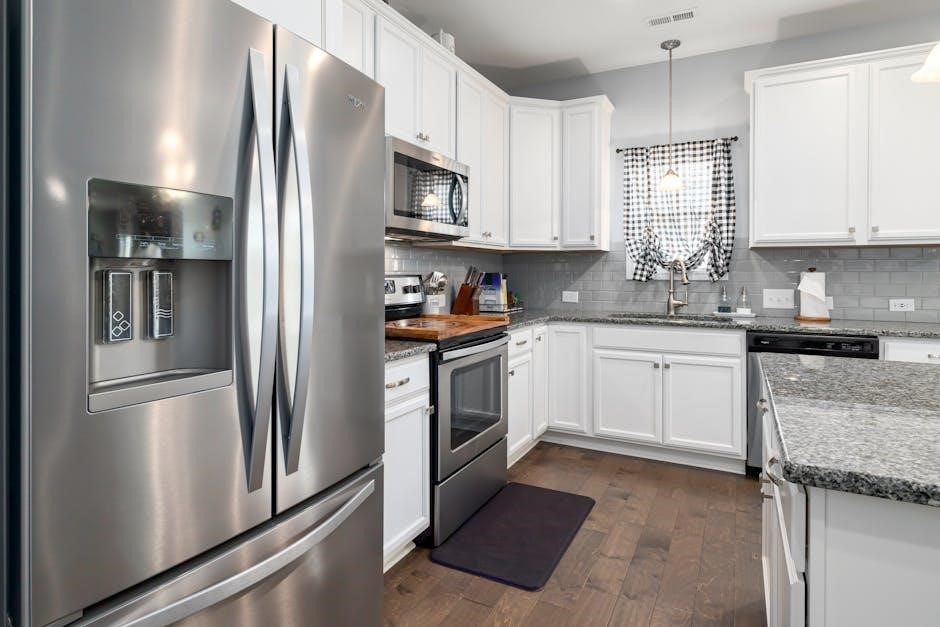
Exterior components include the doors (refrigerator and freezer), dispenser panel (housing the water and ice dispenser), control panel (for temperature settings and features), and exterior lighting. Note the location of the leveling feet for proper installation.
Interior components are divided between the refrigerator and freezer sides. The refrigerator side features adjustable shelves, crisper drawers for produce, door bins for storage, and a dairy compartment. The freezer side includes shelves, door bins, and often, a pull-out drawer for easy access. Understanding these parts will maximize your refrigerator’s usability.
3.1 Exterior Components
Let’s explore the exterior features of your Frigidaire side-by-side refrigerator. The doors, both refrigerator and freezer, are equipped with magnetic seals to maintain optimal temperature. Inspect these seals regularly for damage.
The dispenser panel houses the water and ice dispenser controls. Familiarize yourself with the buttons for selecting water, cubed ice, or crushed ice. The control panel, typically located on the dispenser panel, allows you to adjust temperature settings and activate features like the dispenser lock;
Exterior lighting illuminates the kitchen area when the doors are open. Finally, locate the leveling feet at the bottom of the refrigerator; these are crucial for ensuring stable and quiet operation. Adjust them as needed during installation to prevent wobbling.
3.2 Interior Components – Refrigerator Side
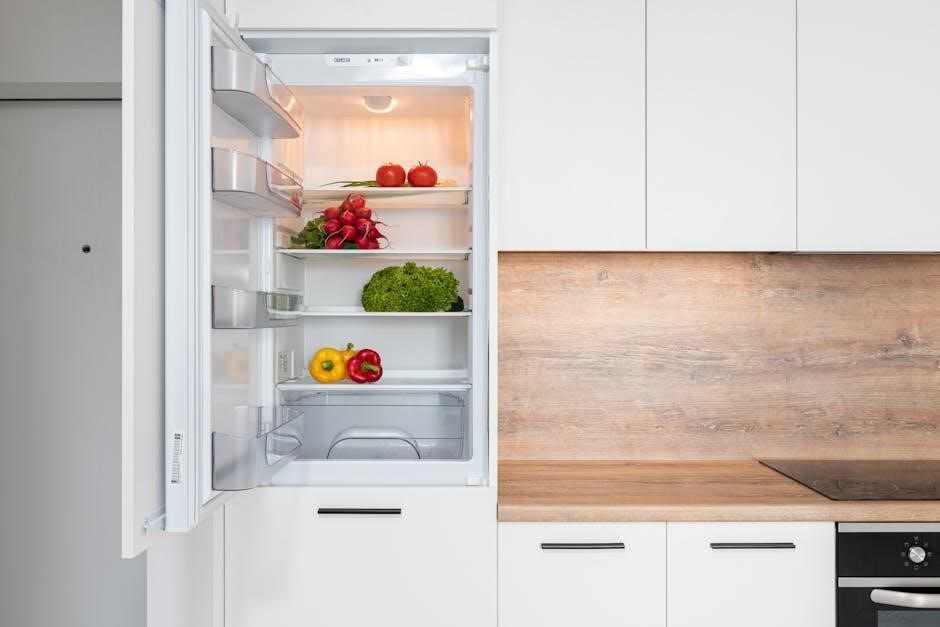
Inside the refrigerator compartment, you’ll find adjustable shelves crafted from spill-proof glass, offering flexible storage options. These shelves can be repositioned to accommodate items of varying heights. The crisper drawers, typically located at the bottom, are designed to maintain optimal humidity levels for fruits and vegetables, keeping them fresher for longer.
The door bins provide convenient storage for frequently used items like condiments, beverages, and dairy products. Some models feature adjustable door bins for customized organization. A dairy compartment is often included, offering a slightly warmer zone ideal for cheese and butter.
Look for the LED lighting system, providing bright and energy-efficient illumination throughout the refrigerator. Finally, the air filter (if equipped) helps to remove odors and maintain air quality.

3.3 Interior Components – Freezer Side
The freezer side of your Frigidaire refrigerator features multiple shelves, often constructed from wire or durable plastic, designed to hold frozen food items securely. You’ll also discover spacious door bins, perfect for storing smaller frozen goods like ice cream containers, frozen vegetables, and pre-portioned meals.
A large storage drawer, typically at the bottom, is ideal for bulkier items like frozen turkeys or large bags of vegetables. Some models include a pizza keeper, a dedicated shelf designed to prevent pizzas from sticking and maintain their shape.
The ice bin, connected to the ice maker, stores the produced ice. Ensure it’s properly positioned to allow for efficient ice dispensing. Finally, the LED lighting extends to the freezer, providing clear visibility even in low-light conditions.
Initial Setup and Operation
Before first use, carefully unpack your Frigidaire side-by-side refrigerator and inspect it for any shipping damage. Ensure the refrigerator is placed on a level surface, allowing for adequate ventilation around the sides and back – at least one inch is recommended.

Connect the refrigerator to a dedicated, grounded electrical outlet. Avoid using extension cords. Once plugged in, allow the unit to stand upright for at least four hours before powering it on to allow the refrigerant to settle.
Clean the interior with a mild detergent and warm water before stocking it with food. Adjust the temperature controls to your desired settings, typically around 37°F (3°C) for the refrigerator and 0°F (-18°C) for the freezer. Initial cooling may take up to 24 hours.
4.1 Installation Instructions
Positioning your refrigerator: Select a location that is level, stable, and away from direct sunlight or heat sources like ovens and radiators. Ensure there’s at least 1 inch of clearance on the sides and top, and 2 inches at the rear for proper ventilation;
Leveling the refrigerator: Use the adjustable front rollers to level the unit. A level refrigerator ensures proper door sealing and efficient operation. Check leveling with a spirit level placed on the top of the refrigerator.
Water line connection (if applicable): If your model has an ice maker and/or water dispenser, connect a ¼-inch copper or PEX water line to the designated water inlet valve. Follow local plumbing codes and use appropriate fittings. Ensure the water supply is turned off before connecting.
4.2 Temperature Control Settings
Refrigerator Temperature: The refrigerator temperature is controlled via a digital display or dial, typically located inside the refrigerator compartment. Recommended setting is 37°F (3°C). Adjust incrementally and allow 24 hours for temperature to stabilize after each change.
Freezer Temperature: The freezer temperature is also adjustable, usually with a separate control. A recommended setting is 0°F (-18°C) for optimal food preservation. Similar to the refrigerator, allow 24 hours for stabilization after adjustments.
Control Panel Features: Some models feature ‘Quick Cool’ or ‘Fast Freeze’ options for rapidly cooling new groceries or freezing items quickly. These settings temporarily lower the temperature. Remember to return to normal settings afterward. Monitor temperatures with a thermometer for accuracy.
4.3 First-Time Start-Up Procedure
Initial Power-Up: After installation, allow the refrigerator to stand upright for at least four hours before plugging it in. This allows the refrigerant to settle. Once plugged in, the refrigerator will not cool immediately; it requires time to reach the set temperature.
Water Dispenser & Ice Maker Activation: If your model has a water dispenser and ice maker, ensure the water supply is connected and fully flushed (see section 5.1). The ice maker will begin producing ice within 24-48 hours. Discard the first few batches of ice.
Temperature Setting: Set the refrigerator and freezer to the recommended temperatures (see section 4.2). Avoid overloading the refrigerator with food initially, as this can hinder cooling. Monitor the temperature for 24 hours to ensure proper operation.
Using the Features – Ice and Water Dispenser
Convenience at Your Fingertips: Your Frigidaire side-by-side refrigerator offers the convenience of chilled water and ice on demand. This section details how to properly utilize and maintain these features for optimal performance and enjoyment.
Dispenser Operation: To dispense water, press your glass against the dispenser paddle. For ice, select either crushed or cubed ice using the designated selector and then press your glass against the paddle. Ensure your glass is adequately sized to accommodate the dispensed volume.
Important Notes: Always use clean glasses. Avoid dispensing ice into small containers, as this may cause jams. Regularly clean the dispenser area to maintain hygiene. Refer to sections 5.2 and 5.3 for troubleshooting and specific operational details.
5.1 Connecting to a Water Supply
Essential for Dispenser & Ice Maker: Connecting your Frigidaire refrigerator to a potable water supply is crucial for the operation of both the water dispenser and the automatic ice maker. This process requires careful attention to detail to prevent leaks and ensure water quality.

Required Materials: You will need a ¼-inch copper or PEX tubing, a water supply shut-off valve, a compression fitting, and a saddle valve (if connecting to an existing water line). Caution: Always shut off the main water supply before beginning installation.
Connection Procedure: Route the tubing from the water supply to the refrigerator’s water inlet valve (located at the back). Securely connect the tubing using the compression fitting. Slowly turn on the water supply and check for leaks. Flush the water line for several minutes to remove any air or debris.
5.2 Ice Maker Operation & Troubleshooting
Automatic Ice Production: Your Frigidaire ice maker automatically produces ice when activated. Ensure the ice maker is switched “ON” – typically a switch located inside the freezer compartment. Allow up to 24 hours for initial ice production, discarding the first few batches.
Troubleshooting – No Ice: If ice production ceases, first verify the water supply is connected and turned on. Check the freezer temperature; it must be at or below 0°F (-18°C). Inspect the ice maker arm; it shouldn’t be stuck in the “OFF” position.

Further Checks: A clogged water inlet valve or a frozen water line can also halt production. If problems persist, try manually defrosting the ice maker. Caution: Never use sharp objects to dislodge ice. Contact a qualified technician if issues remain unresolved.
5;3 Dispenser Lock Function
Activating the Dispenser Lock: Your Frigidaire refrigerator features a dispenser lock function to prevent accidental operation, especially by children. Locate the “Lock” button on the dispenser control panel – it’s usually indicated by a key icon. Pressing this button will disable both the ice and water dispenser.

Indicator Light: When the dispenser is locked, an indicator light will illuminate, confirming the lock is engaged. To unlock the dispenser, simply press the “Lock” button again. The indicator light will turn off, restoring normal dispensing functionality.
Important Note: The dispenser lock does not affect the ice maker’s operation; it only controls the dispensing of ice and water through the external controls. Regularly check the lock function to ensure it’s operating correctly for enhanced safety and peace of mind.
Refrigerator Maintenance & Cleaning
Regular maintenance is crucial for ensuring the longevity and efficient operation of your Frigidaire side-by-side refrigerator. Consistent cleaning prevents odors, maintains hygiene, and optimizes performance. We recommend a thorough cleaning every six months, alongside regular spot cleaning as needed.
Preventative Care: Wipe up spills immediately to avoid staining and sticky residue. Periodically check door seals for proper closure; a compromised seal impacts cooling efficiency. Avoid using abrasive cleaners, as they can damage surfaces.
Cleaning Schedule: Establish a routine to clean both the interior and exterior. Remember to unplug the refrigerator before any major cleaning to ensure safety. Detailed instructions for interior, exterior, and water filter replacement are provided in the following sections.
6.1 Cleaning the Interior

To clean the interior of your Frigidaire side-by-side refrigerator, first remove all food items, shelves, and drawers. Wash these removable parts with warm, soapy water, then rinse and dry thoroughly before replacing them. For the refrigerator’s interior walls and surfaces, prepare a cleaning solution of one quart of warm water and two tablespoons of baking soda.
Gentle Cleaning: Use a soft cloth or sponge dampened with the solution to wipe down all interior surfaces. Avoid abrasive cleaners or scouring pads, as these can damage the plastic and coatings. Pay particular attention to spills and stains, applying gentle pressure to remove them. Rinse with clean water and dry with a clean cloth.
Deodorizing: After cleaning, leave an open box of baking soda inside the refrigerator to absorb any lingering odors.
6.2 Cleaning the Exterior
Maintaining the exterior of your Frigidaire side-by-side refrigerator is crucial for its appearance and longevity. Begin by unplugging the refrigerator to ensure safety. Use a mild detergent and warm water to create a cleaning solution. Dampen a soft cloth with this solution and gently wipe down all exterior surfaces, including the doors, sides, and top.
Stainless Steel Care: If your refrigerator has stainless steel surfaces, use a stainless steel cleaner specifically designed for appliances. Apply the cleaner according to the product instructions and wipe in the direction of the grain to avoid streaks. Avoid abrasive cleaners, as they can scratch the finish.
Door Handles & Dispenser: Pay close attention to the door handles and water/ice dispenser area, as these are frequently touched. Rinse with clean water and dry thoroughly with a soft, clean cloth.
6.3 Replacing the Water Filter
Regular water filter replacement ensures clean, fresh-tasting water and ice. Frigidaire recommends replacing the water filter every six months, or more frequently if water quality is poor. Locate the water filter, typically inside the refrigerator compartment, often in the upper right corner.
Filter Removal: Gently turn the existing filter counterclockwise and pull it straight out. Be prepared for a small amount of water spillage – have a towel handy! Align the new filter with the filter housing, ensuring the arrows on the filter and housing match; Push the filter firmly into the housing and turn it clockwise until it locks into place.
Flushing the System: After replacing the filter, dispense water for approximately 5-10 minutes to flush out any air or loose particles. Discard the first few pitchers of water. Refer to your filter’s packaging for specific disposal instructions.
Troubleshooting Common Issues
Encountering problems? This section addresses frequently reported issues with your Frigidaire side-by-side refrigerator. Before contacting service, review these simple troubleshooting steps. If the refrigerator isn’t cooling, check the temperature settings and ensure the condenser coils are clean. A blocked vent can also restrict airflow.
For ice maker issues, verify the water supply is connected and the ice maker is turned on. A frozen water line is a common culprit. If the water dispenser isn’t working, confirm the water supply is on and the filter isn’t clogged.
Persistent problems? Consult the detailed sections on specific features or contact Frigidaire customer support for assistance. Always have your model number readily available when seeking help.
7.1 Refrigerator Not Cooling
Is your refrigerator failing to maintain a cold temperature? Several factors could be responsible. First, verify the temperature control settings are correctly adjusted – ensure they haven’t been accidentally changed. Next, inspect the condenser coils located at the back or bottom of the unit. Dust and debris buildup restricts airflow, hindering cooling performance. Clean them thoroughly with a vacuum cleaner brush attachment.
Check the door seals for any gaps or damage. A compromised seal allows warm air to enter, forcing the refrigerator to work harder. Ensure the vents inside the refrigerator and freezer aren’t blocked by food items, as this restricts air circulation. If the issue persists, a problem with the compressor or refrigerant may require professional service.
7.2 Ice Maker Not Producing Ice
Experiencing a lack of ice production? Begin by confirming the ice maker is turned ON – locate the switch, usually inside the freezer compartment. Verify the water supply line is properly connected and the water supply valve is fully open. A kinked or frozen water line will prevent water from reaching the ice maker.
Check the freezer temperature; it must be cold enough (typically 0°F or below) for ice production. Inspect the ice maker’s fill tube for any blockages. Sometimes, ice clumps can form and obstruct water flow. If the issue continues, the ice maker’s water inlet valve might be faulty, or the ice maker module itself could require replacement. Consult a qualified technician for diagnosis and repair if needed.
7.3 Water Dispenser Not Working
No water dispensing? First, ensure the water supply is connected and the shut-off valve is fully open. Check for kinks in the water line leading to the refrigerator. A common cause is a clogged water filter – replace it with a new, genuine Frigidaire filter.
Verify the dispenser lock isn’t activated; if it is, the dispenser will be disabled. Listen for the water inlet valve when pressing the dispenser paddle; if you don’t hear it, the valve may be defective. A frozen water line within the refrigerator can also prevent water flow. If these steps don’t resolve the issue, there might be a problem with the dispenser’s control board or a more complex plumbing issue requiring professional assistance.