This 60‑minute yoga PDF guides practitioners through 48 poses, blending dynamic stretches, grounding twists, balancing postures, gentle inversions, and a calming meditation segment․ Designed for core focus, it offers a structured flow that energizes, strengthens, and soothes the body and mind․ Enjoy! Now!
Structure of the PDF
The PDF is organized into five sections: Stretches, Twists, Balances, Inversions, and Relaxation & Meditation․ Each section contains poses totaling 48, with clear numbering and brief instructions․ The layout is clean, making navigation intuitive for all daily skill levels․!
Contents Overview
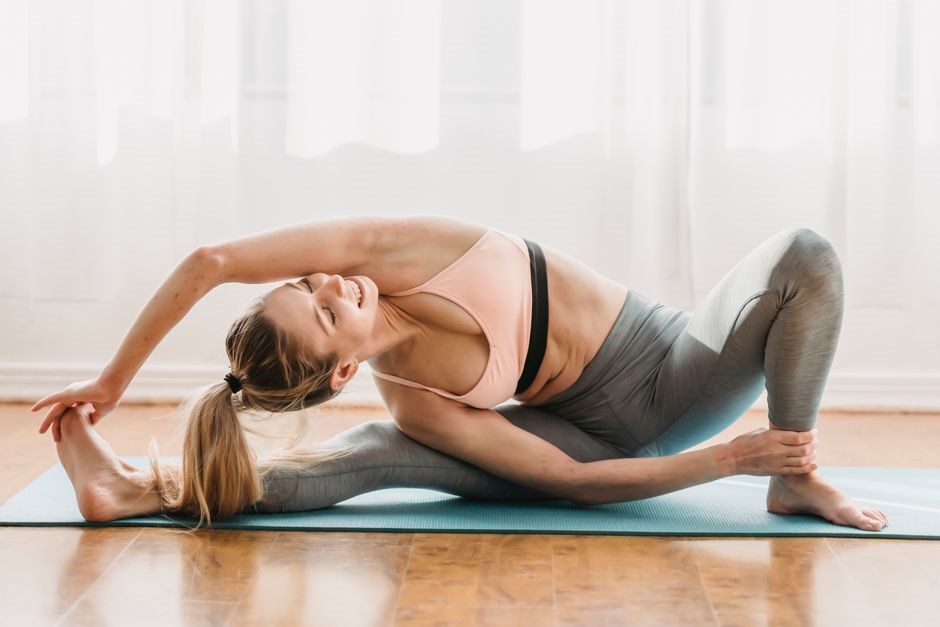
This downloadable PDF presents an organized 60‑minute yoga sequence curated to balance energy and restorative practice․ The document opens with a concise introduction that outlines the session’s purpose, target benefits, and recommended prerequisites․ Following this, a clear table of contents lists all 48 poses, each assigned a specific time slot that collectively totals 60 minutes․ The layout is designed for quick reference, featuring bold numbering and succinct pose titles, allowing practitioners to track progress effortlessly․ Each pose entry includes a brief description of the primary muscle groups engaged, alignment cues, and a suggested duration for holding the posture․ The PDF also incorporates visual icons next to each pose to indicate the general energy level required, helping users gauge the flow’s pacing․ Additionally, a brief note on breathing technique accompanies the entire sequence, emphasizing the importance of synchronized inhalation and exhalation throughout the practice․ The document concludes with a short reflection section, inviting users to journal their experience and note any sensations or insights gained during the session․ This holistic approach ensures that the sequence is not only physically engaging but also mentally enriching, making it suitable for both beginners and seasoned practitioners seeking a balanced, time‑efficient practice․ The flow’s design balances intensity and calm, guiding each pose into the next with deliberate breath work that nurtures both body alignment and inner stillness․ now
Pose Count and Distribution
The 60‑minute PDF features a total of 48 distinct poses, strategically allocated across the flow to maintain a steady rhythm and balanced intensity․ The distribution is broken down into five core segments: 12 dynamic stretches to warm the body, 10 twisting postures that promote spinal mobility, 8 balancing poses that challenge proprioception, 6 gentle inversions that stimulate circulation, and 8 restorative positions that conclude the session with deep relaxation․ Each segment is allotted a specific time window, ensuring that the overall practice remains within the one‑hour limit while allowing sufficient depth in each category․ The pose count is intentionally designed to provide variety without overwhelming the practitioner, making the sequence accessible for beginners yet engaging for experienced yogis․ The PDF also includes optional sub‑variations for advanced practitioners, allowing the pose count to increase to 60 if desired․ This flexible structure supports progressive skill development and keeps the practice dynamic and rewarding․ now
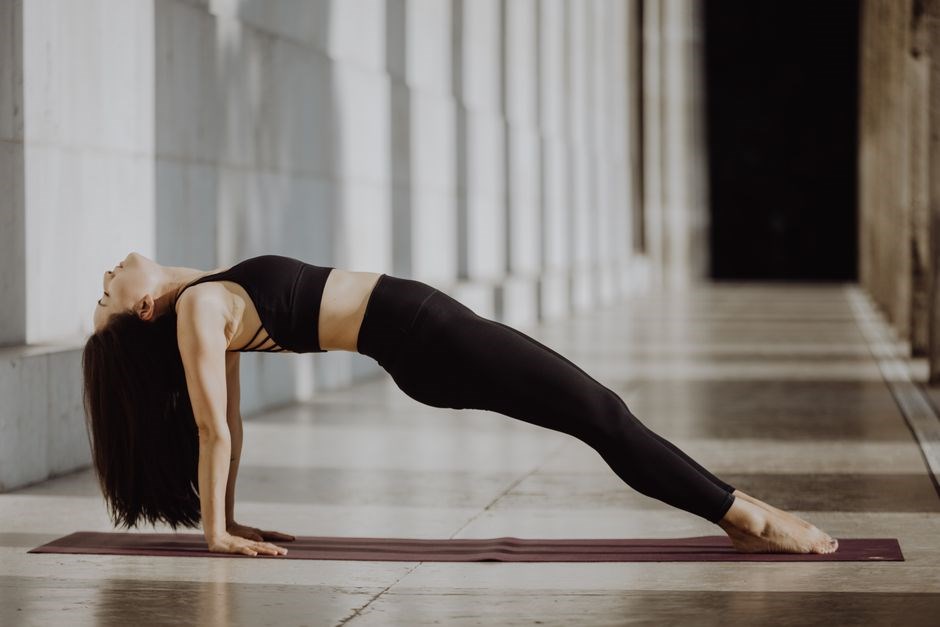
The PDF is designed for both home practice and studio use, featuring clear, concise instructions that guide each movement․ It includes a brief introduction to core principles, a breathing guide, and a final meditation segment to help integrate the benefits of the flow․ Users can download the file in PDF format, view it as a text file, or read it online on any device․ The layout is user-friendly, with numbered poses and time stamps to keep the session on track․ This resource supports consistent practice, encourages mindful movement, and promotes overall well-being․ Download now and start your practice for a balanced mind now․
Sections of the Yoga Flow
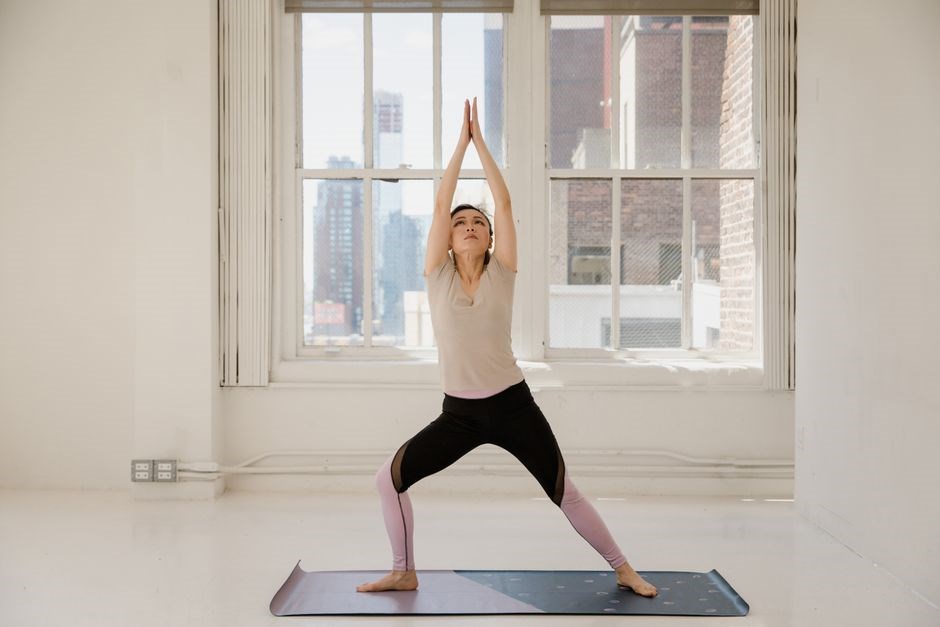
Explore five distinct segments: stretches activate muscles, spinal twists for flexibility, balancing poses to improve focus, inversions that boost circulation, a final relaxation & meditation to integrate calm․ Each section is timed for a balanced 60‑minute practice․ Now!
Stretches
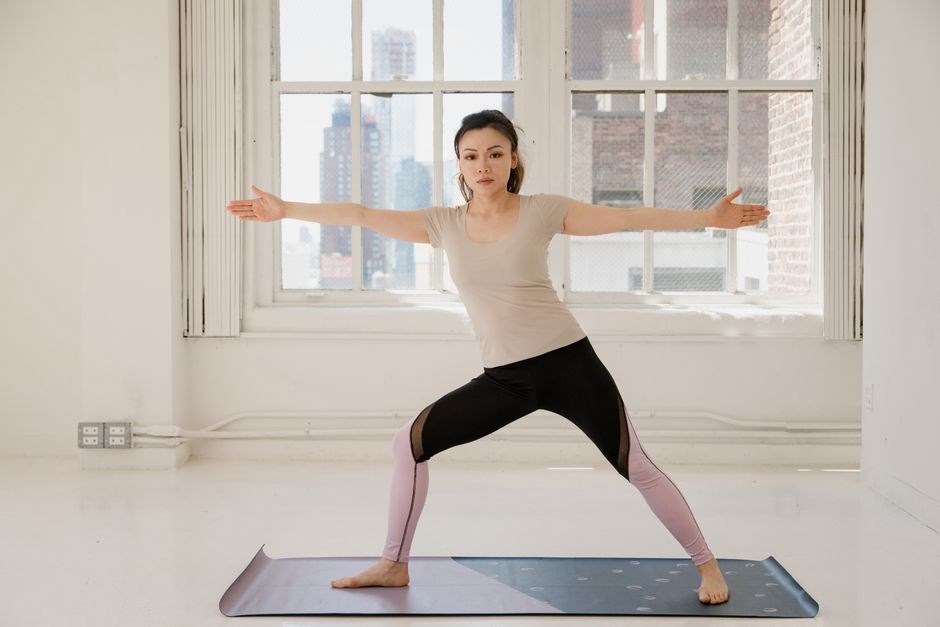
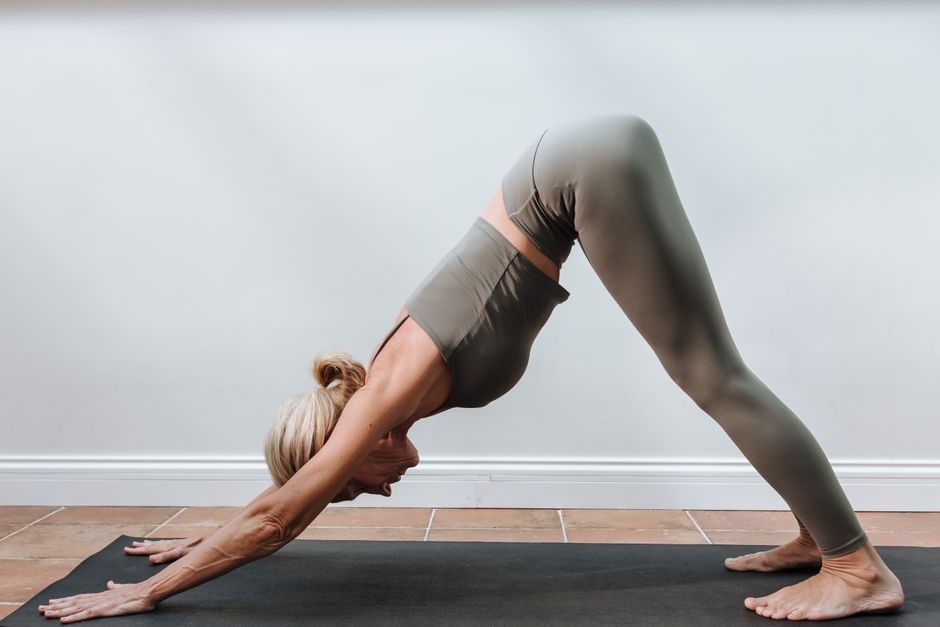
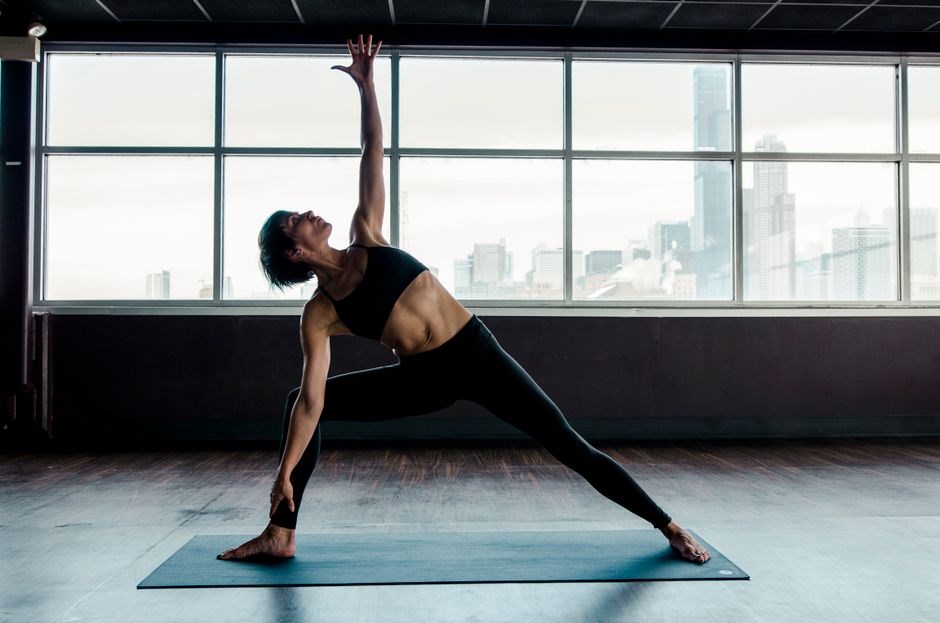
Begin with a gentle warm‑up that targets the spine, hips, and shoulders, preparing the body for deeper movement․ The sequence incorporates dynamic forward folds, standing lunges, and seated twists that open the chest and release tension in the lower back․ Each pose is held for 30–45 seconds, allowing the muscles to relax into the stretch while maintaining a steady breath․ The flow emphasizes alignment, encouraging the practitioner to engage core stabilizers and lengthen the posterior chain․ Key postures include Cat‑Cow, Downward‑Facing Dog, Warrior II, and Extended Side Angle, each chosen for their ability to lengthen the hamstrings, widen the hips, and improve spinal mobility․ The sequence also features gentle hip‑opening poses such as Pigeon and Garland, which target the gluteal muscles and piriformis․ Throughout the stretch segment, the instructor guides subtle adjustments, ensuring that each pose is accessible to beginners while still offering depth for more experienced yogis․ The rhythmic breathing pattern—inhale to lengthen, exhale to deepen—helps maintain a calm, focused mind․ By the end of the stretch portion, the body feels supple, the joints warmed, and the nervous system primed for the next phases of the flow․ This balanced approach supports overall flexibility, reduces muscle stiffness, and promotes a sense of grounded confidence․ This segment sets the tone, encouraging mindful movement and preparing the practitioner for the subsequent twists and balances․ Feel the energy flow through each joint, grounding․
Twists
After the warm‑up and stretch segment, the flow transitions into a series of controlled twists designed to detoxify spine, stimulate digestion, and enhance rotational mobility․ The sequence begins with seated spinal twists, inviting the practitioner to gently rotate from the pelvis while keeping the shoulders relaxed․ Each twist is performed with a mindful breath, inhaling to lengthen the spine and exhaling to deepen the rotation․ The next stage introduces standing twists such as Revolved Triangle and Half Lord of the Fishes, which engage the core and open the chest, fostering a sense of spaciousness․ These poses are held for 30–45 seconds, allowing the body to settle into the twist while maintaining a steady, rhythmic breathing pattern․ The flow then incorporates a series of dynamic twists, including the Cat‑Cow Twist and the Seated Twist with a twist of the torso, which help to release tension in the thoracic region and improve circulation․ Throughout this segment, the instructor emphasizes proper alignment: the hips remain square, the spine stays elongated, and the shoulders stay away from the ears․ This careful attention to form ensures that the twist is both safe and effective, preventing strain on the lower back․ The twist section culminates with a gentle, restorative twist in Supine Twist, where the practitioner lies on their back, pulls the knees toward the chest, and lets the legs fall to one side, allowing the spine to release fully․ The entire twist portion is designed to balance the energetic flow, promote detoxification, and cultivate a calm, focused mind, preparing the practitioner for the upcoming balance and inversion poses․ Feel the subtle release as each twist invites deeper awareness and a sense of inner harmony․——–
Balances
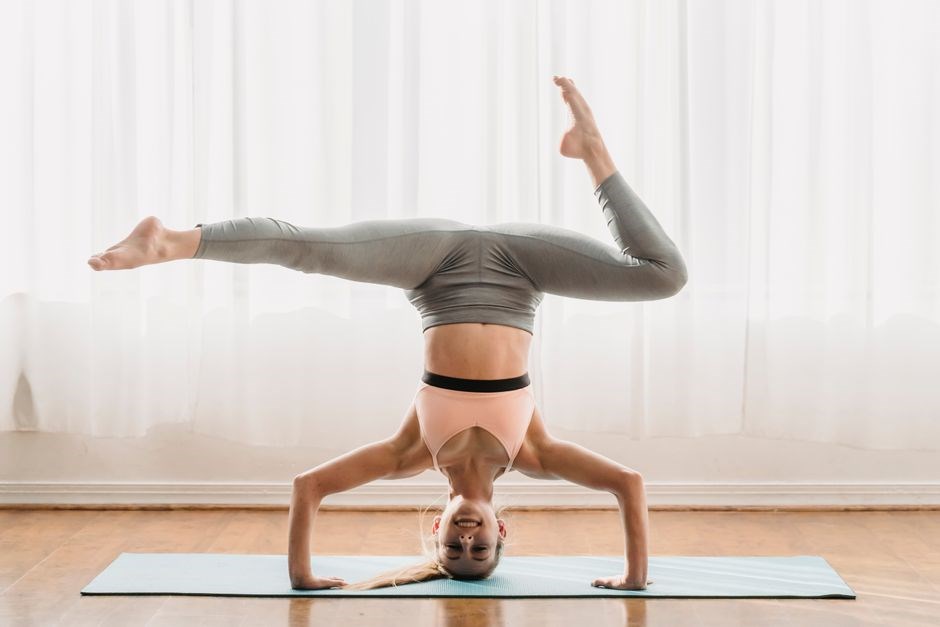
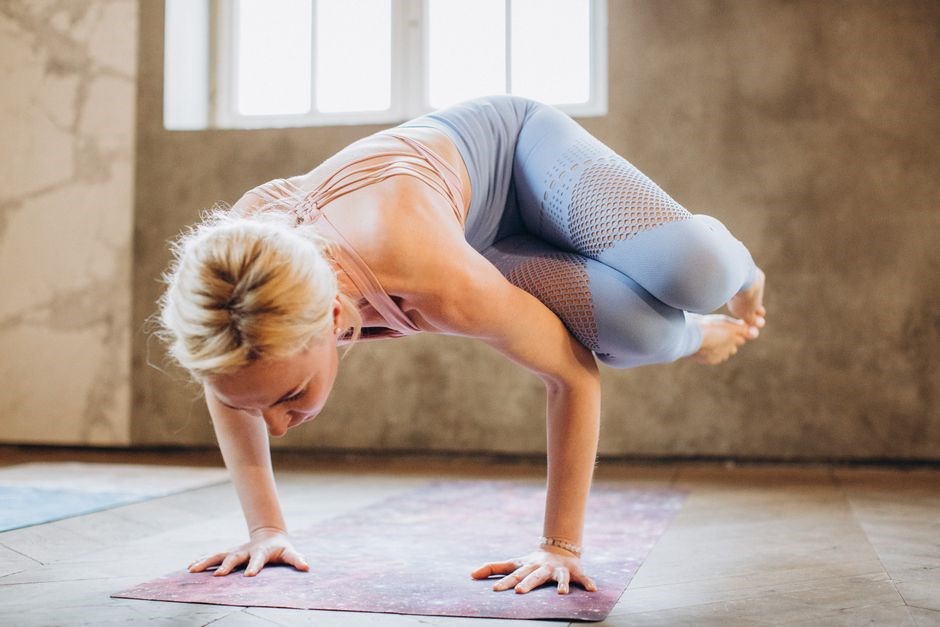
Following the twists, the sequence introduces a series of balancing postures that strengthen the core, improve proprioception, and cultivate mental focus․ The flow begins with Tree Pose, encouraging a steady grounding of the foot while the arms lift in a gentle overhead stretch․ Next, the sequence moves into Warrior III, a dynamic balance that engages the glutes and hamstrings, demanding breath control and a steady gaze․ The third posture is the Half Moon, which opens the hips and shoulders while requiring a stable base․ After a brief rest, the flow transitions to Eagle Arms, a balancing pose that challenges shoulder stability and encourages mindful breathing․ The final balancing segment concludes with a seated balance, such as the Headstand or Crow Pose, which tests upper body strength and core engagement․ Throughout this segment, the instructor emphasizes alignment cues: shoulders away from ears, hips square, and a steady breath to support the balance․ The balancing poses are held for 30–45 seconds, allowing the practitioner to integrate the physical and mental benefits before moving into inversions․ Practitioners are encouraged to focus on the alignment of each joint, ensuring that the shoulders remain relaxed, the spine remains neutral, and the hips stay square․ By integrating breath with movement, the balance poses help to cultivate a steady mind, reduce stress, and build resilience․ The sequence concludes with a gentle transition back to the ground, allowing the body to reset for the relaxation segment․
Inversions
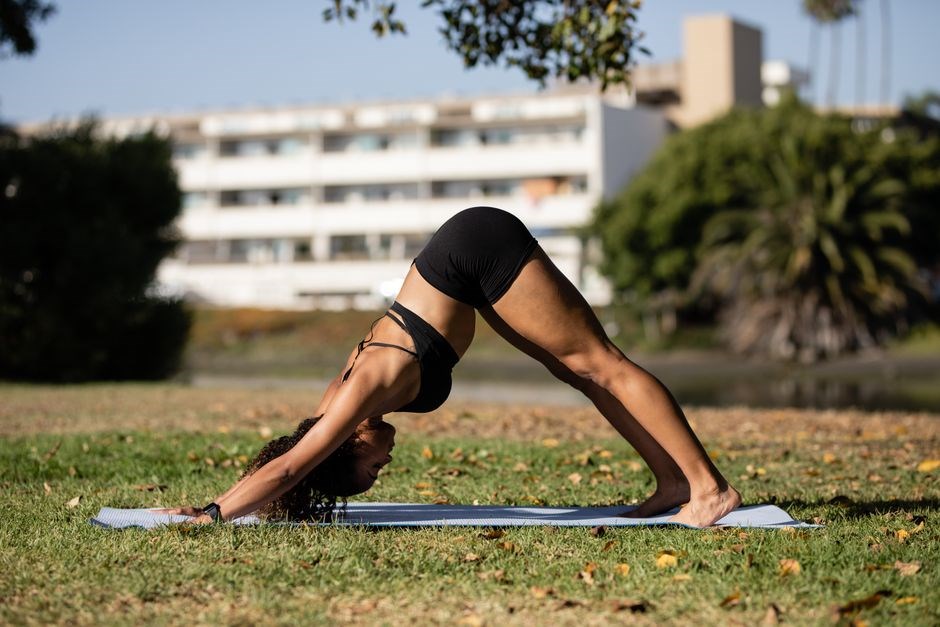
After the balancing segment, the flow gently transitions into a series of inversions designed to reverse blood flow, stimulate the nervous system, and deepen core engagement․ The sequence begins with a supported headstand, where the practitioner places the crown of the head on a padded mat, elbows bent, and forearms on the floor, creating a stable base․ The instructor emphasizes a strong shoulder girdle, a neutral spine, and a steady breath to maintain balance․ From the headstand, the flow moves into a shoulder stand, where the legs are lifted overhead while the hips support the weight, encouraging circulation to the brain and calming the mind․ The next inversion is the forearm stand, which challenges upper body strength and requires a focused gaze to keep the body aligned․ Following the forearm stand, the sequence incorporates a gentle handstand, where the practitioner uses a wall for support, gradually building confidence and core stability․ Each inversion is held for 30 to 45 seconds, with emphasis on breath control and alignment cues such as keeping the shoulders away from the ears and the hips square․ The transitions between inversions are smooth, allowing the practitioner to reset posture and breath before moving to the next pose․ The inversions are designed for intermediate to advanced practitioners, but the PDF includes modifications such as a wall-supported headstand or a chair-assisted shoulder stand for those needing extra support․ The final inversion is a relaxed downward-facing dog, which serves as a gentle release after the intense inversions, allowing the practitioner to return to a neutral spine and prepare for the relaxation segment․ Throughout the inversion section, the instructor encourages mindful breathing, steady focus, and gradual progression, ensuring safety and maximizing the benefits of the 60‑minute yoga flow․ Listen to your body and adjust as needed gently
Relaxation & Meditation
After the dynamic inversions, the flow eases into a serene relaxation and meditation segment that consolidates the benefits of the entire practice․ The practitioner lies on a supportive mat, aligning the spine in a neutral position, and closes the eyes to invite inner stillness․ The instructor guides a progressive muscle relaxation, starting from the toes and moving upward, encouraging a mindful release of tension․ Breath is emphasized as a steady, rhythmic anchor, with inhalations drawing calm and exhalations expelling stress․ The sequence incorporates a body scan, gently directing attention to each region—feet, knees, hips, chest, shoulders, and head—while maintaining a gentle, non‑judgmental awareness․ A brief mantra or affirmation is introduced, allowing the mind to settle into a repetitive, soothing cadence․ Following the body scan, the practitioner engages in a guided visualization, imagining a tranquil landscape that nurtures peace and clarity․ This visualization is paired with subtle breath work, such as a 4‑7‑8 rhythm, to deepen relaxation․ The meditation concludes with a gratitude reflection, encouraging the practitioner to acknowledge the effort and progress made during the session․ The final minutes are reserved for a gentle, restorative pose—such as Savasana—where the body fully relaxes, and the mind remains open and receptive․ Throughout this segment, the PDF offers optional audio cues, gentle background music, and subtle lighting suggestions to enhance the immersive experience․ By the end of the 60‑minute flow, the practitioner emerges refreshed, centered, and equipped with a calm, balanced mindset Feel the calm․!
Download & Usage Instructions
Download the 60‑minute yoga PDF from the official site․ The file is available in PDF, TXT, or online viewer․ Use a PDF reader or browser to open․ For mobile, tap the link, then choose “Save” or “Open in…”․ Enjoy the flow anytime, anywhere․ Practice daily for benefits․
PDF Availability
The 60‑minute yoga sequence is offered in multiple formats to suit diverse preferences․ Users can download a high‑resolution PDF file directly from the official website, ensuring that every pose illustration and instructional note remains crisp and clear․ For those who prefer a lightweight option, a plain‑text (․txt) version is also available, allowing easy integration into note‑taking apps or custom printouts․ Additionally, an online viewer is provided, enabling instant access without the need for a download․ All formats are free, with no hidden fees or subscription requirements․ The download links are prominently displayed on the landing page, and users can simply click the desired format to begin the process․ Once the file is saved, it can be opened with any standard PDF reader, or the text version can be opened in any text editor․ The online viewer supports zooming and page navigation, making it convenient for quick reference during practice sessions․ Whether you prefer a portable device, a desktop computer, or a tablet, the 60‑minute yoga sequence is readily accessible and ready for immediate use․ Enjoy the flow at your own pace, and feel free to revisit the PDF whenever you need a refresher or a new challenge․ This PDF also includes a checklist that allows users to track progress across each section, ensuring motivation throughout their practice․ Additionally, the file contains a FAQ section addressing common questions about pose variations, breathing techniques, and modifications for practitioners alike!
Reading Online Options
For those who prefer not to download, the 60‑minute yoga sequence is available as a fully interactive online document․ The web‑based viewer loads directly in any modern browser, supporting both desktop and mobile devices․ Users can scroll through each pose, zoom in on the detailed illustrations, and click on individual pose names to reveal step‑by‑step instructions and breathing cues․ The interface includes a built‑in progress tracker that highlights completed sections, allowing practitioners to monitor their flow from start to finish․ Additionally, the page offers a printable mode that formats the content into a clean, two‑column layout, making it easy to print a hard copy for offline practice․ The online version is optimized for accessibility, featuring adjustable text size, high‑contrast mode, and screen‑reader compatibility․ All content is hosted on a secure server, ensuring fast load times and data privacy․ Users can bookmark their favorite poses, share links to specific sections via social media, or embed the sequence into personal websites or blogs․ The platform also supports a “dark mode” toggle for low‑light environments, reducing eye strain during evening sessions․ Finally, the online viewer includes a search bar that instantly locates pose names or keywords, enabling quick navigation for seasoned practitioners or newcomers alike․ Whether you are a seasoned yogi or a beginner, the PDF’s clear step‑by‑step guidance, combined with optional modifications for each pose, ensures a balanced practice that builds strength, flexibility, and mental clarity daily․!