Moultrie Game Cameras: A Comprehensive Manual Guide

Navigating Apple account security requires vigilance, as sophisticated scams mimic official communications; verifying details is crucial․ Support resources, including phone numbers (1-800-275-2273 in the US) and online communities, offer assistance with password prompts and subscription management, ensuring a secure user experience․
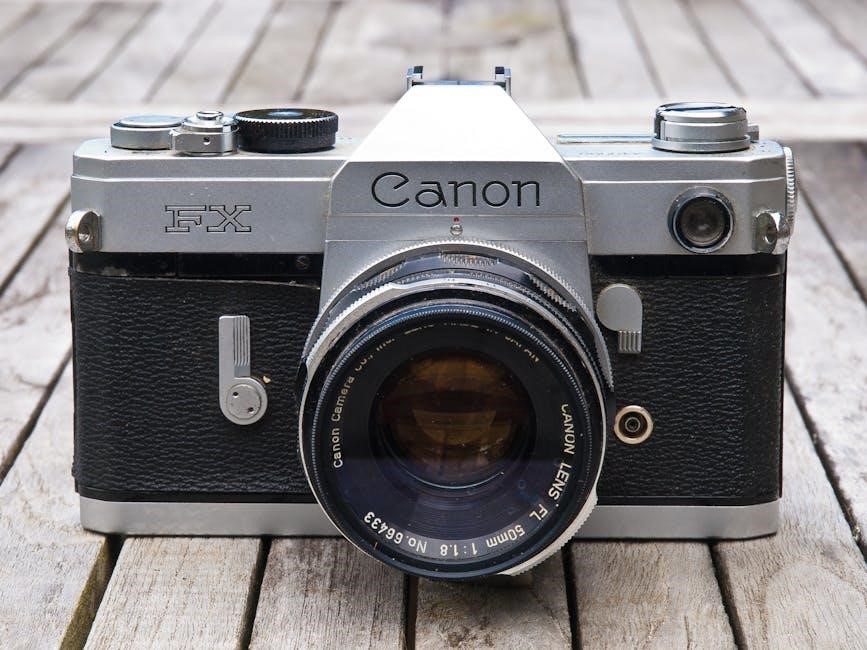
Moultrie game cameras have become indispensable tools for hunters, landowners, and wildlife enthusiasts alike, offering a window into the hidden world of the outdoors․ Understanding the intricacies of your Apple ID, often linked to crucial account access, mirrors the importance of mastering your camera’s features․ Just as verifying Apple communications prevents fraud, proper camera setup ensures reliable data collection․
These cameras aren’t simply about capturing images; they provide valuable insights into animal behavior, population density, and overall property security․ Like troubleshooting iPhone password requests, understanding camera settings is key to optimal performance․ The ability to remotely access images via the Moultrie Mobile App, akin to managing Apple subscriptions, adds a layer of convenience and efficiency․
This guide aims to demystify the operation of Moultrie game cameras, covering everything from initial setup and customization to image management and troubleshooting․ Whether you’re a seasoned pro or a first-time user, this manual will empower you to harness the full potential of your camera, much like Apple Support empowers users to resolve account issues․
Understanding Camera Features & Benefits
Moultrie game cameras boast a range of features designed to enhance your scouting efforts, mirroring the comprehensive security features offered by Apple accounts․ High image resolution, adjustable trigger speeds, and diverse flash options – white, infrared, and no-glow – cater to various environments and preferences․ Just as Apple provides multiple support channels, Moultrie offers versatility in capturing wildlife activity․
The benefits extend beyond simple image capture․ Remote connectivity through the Moultrie Mobile App allows for real-time monitoring, similar to managing Apple subscriptions․ Date, time, and location stamping provide crucial context for each image, aiding in pattern analysis․ Understanding these features is akin to recognizing subtle signs of phishing attempts in Apple communications – it’s about informed observation․
Furthermore, features like customizable trigger sensitivity and recovery time optimize battery life and data storage․ This efficiency parallels Apple’s efforts to optimize device performance․ Ultimately, Moultrie cameras empower you with valuable data, enhancing your hunting strategy and overall understanding of the wildlife around you, much like a secure Apple ID protects your digital life․
Setting Up Your Moultrie Game Camera
Proper setup, like securing an Apple ID, is vital․ Begin with battery installation and a compatible SD card, mirroring Apple’s emphasis on account verification and device readiness․
Initial Camera Setup: Battery Installation & SD Card
Beginning with power and storage is paramount for successful operation․ First, locate the battery compartment, typically secured with a latch․ Insert the recommended number of batteries – often 6, 8, or 12 AA batteries – ensuring correct polarity as indicated inside the compartment․ A fresh set of quality batteries is crucial for optimal performance, especially in colder climates where battery life diminishes․
Next, insert a compatible SD card into the designated card slot․ Moultrie cameras generally support SD cards up to 32GB or 64GB, though checking your specific model’s manual is essential․ Ensure the card is formatted to FAT32 before use; formatting can often be done directly through the camera’s menu system․
Similar to Apple’s account security, a solid foundation is key․ Double-check that both the battery compartment and SD card slot are securely closed before proceeding․ Incorrect installation can lead to malfunctions or data loss, mirroring the issues arising from compromised Apple IDs․ A properly initialized camera is the first step towards reliable game monitoring․
Choosing the Optimal Camera Location
Strategic placement maximizes detection and image quality․ Identify travel corridors – trails, edges of fields, near food sources, or water sources – where game animals are likely to pass․ Consider prevailing wind direction; animals often approach from upwind, so position the camera accordingly․ Avoid aiming directly into the sun, especially during sunrise or sunset, as this can cause washed-out images․
Clear vegetation immediately in front of the camera lens to prevent obstruction and false triggers from moving branches․ A height of approximately 5-10 feet is generally recommended, providing a good field of view without being easily disturbed․ Like verifying Apple communications, careful observation of the environment is vital․
Test the location by walking through the area to ensure the camera triggers reliably․ Remember to consider the camera’s detection range and adjust placement accordingly․ A well-chosen location significantly increases the chances of capturing valuable footage, mirroring the importance of a secure Apple ID․
Mounting Options: Tree Straps, Security Boxes & More
Secure mounting protects your investment and ensures stable footage․ Tree straps are the most common method, offering flexibility and minimal tree impact․ Ensure straps are snug but not constricting, allowing for tree growth․ For enhanced security, especially in areas prone to theft or vandalism, consider a Moultrie security box․ These metal enclosures provide a robust barrier against tampering․
Mounting to posts or buildings is also possible using appropriate brackets and hardware․ Just as Apple emphasizes account security, physical security is paramount․ Regularly inspect mounting hardware for looseness or damage․ Angle the camera slightly downward to minimize images of the sky and maximize the view of the target area․
Proper mounting prevents movement-induced blur and ensures consistent trigger performance․ Remember to camouflage the camera and mounting hardware to blend with the surrounding environment, reducing the risk of detection by animals or humans․

Camera Settings & Customization
Like managing Apple ID settings, camera customization is key․ Adjusting resolution, trigger speed, flash options, and date/time stamping allows tailoring the camera to specific monitoring needs and environments․
Image Resolution & Quality Settings
Understanding image resolution is paramount for capturing clear and detailed photos and videos with your Moultrie game camera․ Lower resolutions (like 640×480) conserve SD card space, allowing for longer recording times, but sacrifice clarity․ Higher resolutions, such as 12MP or 20MP, deliver sharper images, ideal for identifying animals or details at a distance, but consume more storage․
Quality settings often accompany resolution choices․ These settings control the compression level applied to images․ Higher quality settings result in larger file sizes but preserve more detail, while lower quality settings reduce file size at the expense of some image fidelity․ Consider your primary use case – if you need to zoom in on images for identification, prioritize higher resolution and quality․
Experiment with different settings to find the optimal balance between image quality and storage capacity․ Regularly reviewing your images and videos will help you determine if the current settings are meeting your needs․ Remember, just like securing your Apple ID, careful configuration yields the best results․
Trigger Speed & Recovery Time Adjustment
Optimizing trigger speed and recovery time is crucial for capturing elusive wildlife activity with your Moultrie game camera․ Trigger speed refers to how quickly the camera activates after detecting motion; faster speeds (often under 0․5 seconds) minimize the chance of missing fast-moving animals․ However, extremely fast trigger speeds can sometimes lead to false triggers from wind or vegetation․
Recovery time dictates how long the camera remains inactive after taking a picture or video before it can detect and record new motion․ Shorter recovery times ensure you capture every event, but they also increase battery consumption․ Longer recovery times conserve battery life but may miss subsequent activity․
Adjust these settings based on your scouting goals and environment․ For areas with frequent animal movement, prioritize faster trigger speeds and shorter recovery times․ In quieter locations, you can extend recovery times to save battery․ Similar to Apple account security, finding the right balance is key for optimal performance․
Flash Options: White Flash, Infrared & No Glow
Moultrie game cameras offer various flash options to suit different scouting scenarios, impacting image clarity and animal detection․ White flash utilizes a bright, visible white LED, providing high-quality color images during daylight and black-and-white images at night․ This option is effective but may spook some animals due to the visible flash․
Infrared (IR) flash emits an invisible infrared light, producing black-and-white images in complete darkness without alerting wildlife․ This is ideal for covert operation, minimizing disturbance․ “No Glow” technology represents a further refinement of IR, reducing the red glow often associated with traditional IR flashes, enhancing stealth․
Selecting the appropriate flash depends on your priorities․ For detailed color images when animals are less wary, white flash is suitable․ For maximum concealment, infrared or No Glow are preferred․ Like managing Apple ID security, choosing the right setting enhances the overall effectiveness of your setup․
Date, Time & Location Stamping
Accurate date, time, and location stamping are crucial for effective game camera data analysis, providing context to observed animal activity․ Properly configured, these features allow you to precisely track when and where each image or video was captured, aiding in pattern recognition and understanding animal movement․
Most Moultrie cameras allow manual setting of the date and time, or automatic synchronization via the Moultrie Mobile app, similar to managing Apple ID settings for consistent access․ Some models also support GPS functionality, embedding precise location coordinates within the image metadata․ This is particularly useful for covering large areas or multiple camera locations․
Ensuring correct settings is vital; inaccurate timestamps render data unreliable․ Regularly verify these settings, especially after battery changes or camera relocation․ Like verifying Apple support contacts, accurate data is fundamental for informed decision-making in wildlife management and scouting efforts․

Managing Images & Videos
Efficiently accessing, organizing, and deleting captured content is essential; utilize SD card readers or the Moultrie Mobile app for seamless data transfer and management․
Accessing Images: SD Card Reader vs․ Card Compatibility
Retrieving images and videos from your Moultrie game camera primarily involves two methods: utilizing an SD card reader or leveraging the camera’s compatibility with the Moultrie Mobile app․ The SD card reader offers a direct connection to your computer, allowing for swift transfer and organization of files․ Ensure your computer possesses a compatible card reader slot, or employ a USB adapter for broader compatibility․
However, SD card compatibility is paramount․ Moultrie cameras typically support SD, SDHC, and SDXC cards, with maximum capacities varying by model – always consult your camera’s manual for specifics․ Formatting the SD card within the camera itself is recommended to ensure optimal performance and prevent potential errors․ When using a card reader, verify the card’s file system (FAT32 or exFAT) is readable by your operating system․
The Moultrie Mobile app provides a wireless alternative, transmitting images directly to your smartphone or tablet․ This method necessitates a compatible data plan and reliable cellular coverage․ While convenient, it may consume more battery power and incur data charges․ Choosing the appropriate method depends on your needs – speed and control favor the SD card reader, while convenience and remote access highlight the app’s benefits․
Moultrie Mobile App: Connectivity & Features

The Moultrie Mobile app revolutionizes game camera management, offering remote access to your captured images and videos․ Establishing connectivity requires a compatible data plan and consistent cellular service within your camera’s location․ The app facilitates real-time image downloads, eliminating the need for physical SD card retrieval․ Account registration and camera activation within the app are initial setup steps․
Key features include customizable notifications, alerting you instantly upon trigger events․ You can remotely adjust camera settings, such as image resolution and trigger sensitivity, optimizing performance without disturbing the camera’s placement․ The app also provides mapping functionality, pinpointing camera locations for efficient scouting․ Subscription plans unlock expanded storage and advanced features․
However, be mindful of potential security concerns; as with any online service, vigilance against phishing attempts and account compromises is crucial․ Regularly update the app and maintain strong password practices․ Troubleshooting connectivity issues may involve verifying data plan status, signal strength, and camera activation within the app settings․
Image Organization & Deletion
Efficiently managing the influx of images and videos from your Moultrie game camera is vital for effective scouting․ Upon accessing your media – either via SD card or the Moultrie Mobile app – organization becomes paramount․ Most cameras timestamp files, facilitating chronological sorting․ Consider creating folders based on camera location or date ranges for streamlined review․
The app often provides tagging features, allowing you to categorize images by animal species or noteworthy events․ Regularly deleting unwanted files frees up valuable storage space on your SD card or within your cloud account․ Be cautious when deleting; ensure you’ve thoroughly reviewed the content before permanent removal․
Remember that accidental deletions are often irreversible․ Backing up important images to a separate storage device is a prudent practice․ SD card formatting, performed through your camera or a computer, prepares the card for continued use, but erases all existing data․ Prioritize data security, mirroring Apple’s advice regarding recognizing legitimate communications and protecting account access․

Troubleshooting Common Issues
Addressing technical difficulties requires systematic checks; password prompts, trigger failures, and image quality concerns are common․ Utilize support resources and community forums for solutions․
Camera Not Triggering: Causes & Solutions
A non-triggering camera can stem from several issues, demanding a methodical approach to diagnosis․ First, verify sufficient battery power; low batteries are a frequent culprit, especially in colder temperatures․ Ensure the SD card isn’t full – a full card prevents new image capture․ Confirm the camera’s trigger settings are appropriately configured; a narrow field of view or excessively short trigger delay might miss activity․
External factors also play a role․ Obstructions in the camera’s field of view, like vegetation, can block detection․ Test the camera’s trigger by walking in front of it, ensuring the sensor isn’t obstructed․ Check for proper mounting stability; movement can cause false triggers or prevent activation․ If issues persist, consider resetting the camera to factory defaults, then reconfiguring settings․ Finally, examine the camera’s sensor for any visible damage or debris, and consult the Moultrie support resources for further assistance․
Poor Image Quality: Adjusting Settings
Suboptimal image quality often arises from incorrect camera settings or environmental factors․ Begin by verifying the image resolution; higher resolutions capture more detail but require more SD card space․ Adjust the image quality setting – a higher quality setting yields sharper images but increases file size․ Ensure the flash settings are appropriate for the environment; white flash provides color images, infrared offers stealth, and ‘no glow’ minimizes detection․
Consider external influences․ Check for obstructions in front of the lens, like leaves or spiderwebs․ Adjust the camera’s date and time settings to ensure accurate timestamps․ If images appear blurry, confirm the camera is securely mounted to prevent movement․ Experiment with different trigger speeds and recovery times to optimize capture clarity․ Remember that Apple support resources emphasize detailed troubleshooting, so systematically address each setting for optimal results․ If problems continue, consult the Moultrie manual or support for advanced guidance․
Battery Life Issues: Optimization Tips
Prolonging battery life is crucial for remote monitoring․ Utilize high-quality batteries, preferably lithium, as they perform better in extreme temperatures․ Reduce the trigger speed; a slower trigger captures fewer unnecessary images, conserving power․ Optimize recovery time – a longer recovery time allows the camera more rest between triggers․ Adjust flash settings; infrared flash consumes less battery than white flash․
Minimize unnecessary activity․ Disable features like time-lapse recording if not required․ Regularly check and delete unwanted images and videos from the SD card, as processing and storing data drains battery․ Ensure the camera is shielded from direct sunlight and extreme weather․ Apple’s support resources highlight the importance of systematic troubleshooting; apply these principles to your camera settings․ If issues persist, consult the Moultrie manual for specific power-saving recommendations and consider an external power source․
SD Card Errors & Formatting
SD card issues can disrupt data recording․ Regularly format the SD card using the camera itself – do not use a computer for formatting, as compatibility issues may arise․ Ensure the SD card is compatible with your Moultrie camera model; check the manual for supported capacities and speed classes․ If the camera displays an error message, try a different SD card to isolate the problem․ Back up images frequently to prevent data loss․
Address card errors systematically․ Corrupted cards may require low-level formatting (use caution, as this erases all data)․ Avoid filling the SD card to full capacity; leave some free space for optimal performance․ Like Apple’s advice on troubleshooting, identify the root cause․ If errors persist, the card may be faulty and require replacement․ Refer to the Moultrie manual for specific error codes and troubleshooting steps․ Consistent formatting and card maintenance are vital for reliable operation․