The Volkswagen Golf R presents enthusiasts with a compelling choice: the lightning-fast DSG automatic or the engaging, purist-focused manual transmission. Both options deliver thrilling performance, but cater to distinct driving preferences.
Recent discussions highlight the DSG’s superior torque handling and tuning potential, while the manual offers a more connected experience. The Mk8.5 is arriving soon!
Ultimately, the ideal transmission depends on individual priorities – speed and efficiency versus driver involvement and a raw connection to the machine.
Overview of the Golf R Mk8
The Golf R Mk8 represents Volkswagen’s pinnacle of hot hatch engineering, building upon the legacy of previous R models with enhanced performance and technology. Introduced in January, it quickly garnered attention as a formidable contender in the performance car segment, offering a compelling blend of practicality and exhilarating driving dynamics.
This iteration boasts a potent 2.0-liter turbocharged engine, delivering around 315 horsepower, channeled to all four wheels via Volkswagen’s 4MOTION all-wheel-drive system. The Mk8’s arrival sparked comparisons with rivals like the Toyota GR Corolla and Honda Civic Type R, both also high-performance, five-door hatchbacks.
Crucially, the Mk8 is available with two transmission choices: the acclaimed 7-speed DSG dual-clutch automatic and a traditional 6-speed manual gearbox. This duality caters to a broad spectrum of drivers, from those prioritizing rapid shifts and efficiency to those seeking a more tactile and engaging driving experience. The upcoming Mk8.5 promises further refinements.
The Core Debate: Automatic vs. Manual
The central question surrounding the Golf R Mk8 revolves around the age-old debate: automatic versus manual. For many enthusiasts, the choice isn’t simply about speed, but about the connection to the driving experience. The DSG transmission offers incredibly fast and precise shifts, maximizing acceleration and efficiency, appealing to those focused on performance metrics.
Conversely, the manual gearbox provides a more visceral and engaging experience, allowing drivers to fully control gear selection and feel connected to the car’s mechanics. Some purists argue that a manual transmission is essential for a true driver’s car, prioritizing feel over outright speed.
Recent online discussions emphasize that the DSG can handle more power when tuning, while the manual may require clutch replacement sooner. Ultimately, the “best” transmission is subjective, depending on individual driving style and preferences.

Performance Characteristics
The Golf R’s performance varies significantly between the DSG and manual transmissions, impacting acceleration, efficiency, and overall driving dynamics. Both deliver exhilarating experiences.
Choosing between them depends on prioritizing speed or driver engagement.
DSG Transmission: Speed and Efficiency
The dual-clutch gearbox (DSG) in the Golf R is renowned for its incredibly swift and seamless gear changes, contributing to quicker acceleration times compared to the manual variant. This is particularly noticeable during spirited driving and track use, where milliseconds matter.
The DSG optimizes engine power delivery, maintaining the engine within its peak performance range more consistently. This translates to enhanced efficiency in everyday driving scenarios, potentially yielding slightly better fuel economy. Many sources confirm the DSG can handle more torque, making it ideal for tuned Golf Rs seeking increased power output.
Furthermore, the DSG offers a level of convenience, especially in stop-and-go traffic, eliminating the need for constant clutch engagement. It’s arguably the most reliable twin-clutch system available, providing a refined and responsive driving experience.
Manual Transmission: Driver Engagement
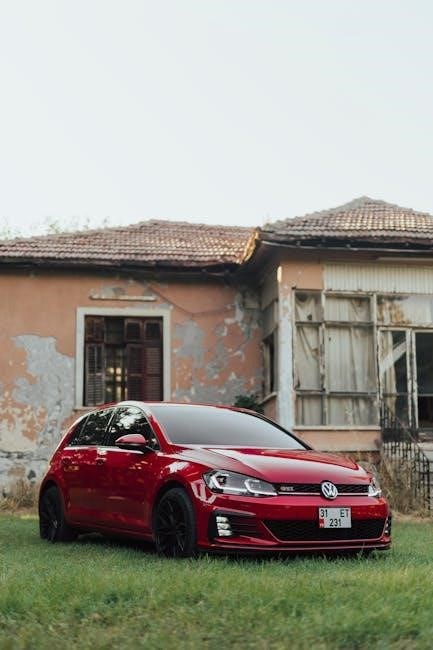
The six-speed manual transmission in the Golf R delivers a uniquely engaging driving experience, fostering a direct connection between driver and machine. Enthusiasts often praise the manual for its heightened sense of control and involvement, allowing for precise gear selection and a more visceral feel.
Many drivers prefer the satisfaction of mastering heel-toe downshifts and perfectly timed upshifts, enhancing the overall enjoyment of spirited driving. The manual appeals to those who prioritize the “fun factor” and a purist approach to performance. It’s a choice for drivers who actively want to participate in the driving process.
While requiring more driver input, the manual offers a rewarding experience, particularly for those who relish the art of driving. It’s a testament to a traditional driving style in a modern performance car.
Torque Handling and Tuning Potential
When considering modifications and increased power output, the DSG transmission in the Golf R generally exhibits superior torque handling capabilities compared to the manual. The DSG can reliably manage higher torque figures, making it a preferred choice for owners planning extensive tuning programs.
The manual transmission, while robust, may require clutch replacement sooner when subjected to significantly increased power levels. Upgraded clutch components are often necessary to match the enhanced torque, adding to the overall cost of ownership for those pursuing substantial performance gains.
Therefore, for drivers intending to push the boundaries of the Golf R’s performance through tuning, the DSG offers a more straightforward and potentially more reliable path to higher power figures.

Reliability and Maintenance
Generally, the DSG transmission demonstrates greater overall reliability than the manual, being arguably the best twin-clutch system available; However, clutch life is a factor with manuals.
Long-term ownership costs will vary based on driving style and maintenance schedules for both transmission types.
DSG Reliability: A Closer Look

The dual-clutch gearbox (DSG) in the Golf R has garnered attention regarding its long-term dependability. While often cited as more reliable overall than the manual counterpart, it’s not without potential concerns. The DSG is considered a sophisticated piece of engineering, and arguably the most refined twin-clutch transmission currently on the market.
However, preventative maintenance is crucial. Regular fluid changes, adhering to Volkswagen’s recommended intervals, are paramount to ensuring smooth operation and preventing premature wear. Some owners have reported issues with mechatronic units, the electronic brain controlling the gearbox, requiring replacement or reprogramming.
Furthermore, the DSG’s ability to handle increased power from tuning modifications is a key consideration. While capable, pushing the limits requires careful attention to component upgrades and cooling solutions to avoid potential failures. Despite these points, many owners report years of trouble-free operation with diligent upkeep.
Manual Transmission Reliability: Clutch Life
The six-speed manual transmission found in the Golf R is generally regarded as a robust and dependable unit. However, its longevity is intrinsically linked to driving habits and usage. Unlike the DSG, the manual’s primary wear item is the clutch, and its lifespan can vary significantly.
Aggressive driving, frequent launches, and extensive track use will naturally accelerate clutch wear, potentially requiring replacement sooner than anticipated. Owners engaging in spirited driving or those who frequently utilize the car for performance-oriented activities should be prepared for this eventuality.
Conversely, drivers with a more conservative style can expect a considerably longer clutch life. While specific mileage estimates are difficult to provide, proactive driving techniques and avoiding excessive slipping can maximize the clutch’s durability. Regular inspection for signs of wear is also recommended to anticipate potential issues.
Long-Term Ownership Costs
Assessing long-term ownership costs between the Golf R’s DSG and manual variants reveals nuanced differences. While the DSG is often cited as generally more reliable, potential repairs to its complex mechatronic unit can be expensive. Routine DSG servicing, including fluid changes, is also a necessary ongoing expense.
The manual transmission, while simpler in design, introduces the cost of clutch replacement. As previously discussed, clutch life is dependent on driving style, and a performance-driven owner may face this expense sooner. However, beyond the clutch, maintenance requirements for the manual are typically less frequent and potentially less costly.

Considering resale value, market trends suggest both versions hold their value well, but the specific demand can fluctuate. Ultimately, factoring in potential repair costs, servicing intervals, and driving habits will determine the most economical choice over the vehicle’s lifespan.

Driving Experience
The Golf R’s driving experience diverges sharply between DSG and manual. DSG excels in daily driving and rapid shifts, while the manual prioritizes driver engagement and pure fun.
Track tests reveal the DSG’s optimized speed, but many prefer the manual’s control and connection, making it a truly rewarding experience.
DSG in Daily Driving Scenarios
The Golf R’s dual-clutch DSG transmission truly shines in everyday driving situations. Its seamless and incredibly quick shifts provide a level of convenience and responsiveness that’s hard to match with a traditional manual gearbox. Navigating congested city streets becomes effortless, as the DSG anticipates gear changes, delivering smooth acceleration and minimizing jerky movements.
Commuting is transformed into a more relaxed experience, with the transmission intelligently selecting the optimal gear for fuel efficiency and comfort. The DSG also excels in stop-and-go traffic, eliminating the need for constant clutch engagement and gear selection. This reduces driver fatigue and enhances overall enjoyment during routine journeys.
Furthermore, the DSG offers various driving modes, allowing drivers to tailor the transmission’s behavior to their preferences. From a comfortable, fuel-efficient setting to a more aggressive, performance-oriented mode, the DSG adapts to any situation with ease, making it a versatile and practical choice for daily use.
Manual Transmission: The Fun Factor
The Golf R equipped with a manual transmission delivers a uniquely engaging and rewarding driving experience, prioritizing driver connection and control. For enthusiasts who relish being actively involved in the driving process, the manual gearbox offers a visceral sense of control that the DSG simply cannot replicate. The satisfaction of perfectly timed shifts and precise clutch work adds a layer of enjoyment to every drive.
The manual transmission encourages a more deliberate and focused driving style, fostering a deeper connection between driver and machine. It allows for greater control over engine braking and power delivery, enhancing confidence and responsiveness on winding roads. Many drivers find the manual version to be a “purist’s choice.”
While requiring more effort than the DSG, the manual transmission provides a level of involvement that many drivers find incredibly satisfying. It transforms ordinary journeys into engaging experiences, making the Golf R a truly driver-focused machine.
Track Performance Comparison
On the racetrack, the Golf R with a DSG transmission generally exhibits faster lap times due to its quicker, more consistent shifts and ability to maintain optimal engine speed. The DSG minimizes power interruption during gear changes, translating to improved acceleration and overall pace. However, the manual transmission isn’t far behind, and skilled drivers can achieve competitive times.
The manual requires precise timing and technique to maximize performance, demanding greater driver skill to match the DSG’s efficiency. While the DSG offers an advantage in outright speed, the manual provides a more engaging and rewarding experience for those who enjoy the challenge of mastering a traditional gearbox.
Ultimately, the performance difference on track is often marginal, and heavily dependent on driver proficiency. Both transmissions are capable of delivering exhilarating track experiences, but the DSG typically holds a slight edge in lap times.

Specific to the Golf R
The Golf R, with its potent engine, is uniquely suited to both transmissions; the DSG optimizes speed, while the manual appeals to enthusiasts seeking a purist driving experience.
Market trends suggest DSG models are popular, but the manual retains appeal and potentially better resale value for collectors.
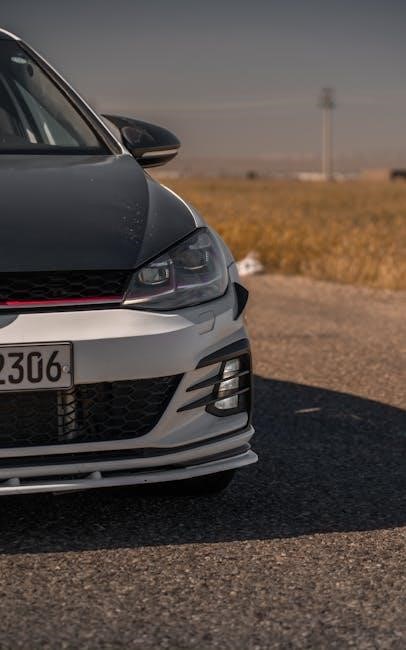
Golf R with DSG: Optimized for Speed
The Golf R’s Dual Shift Gearbox (DSG) is engineered for rapid acceleration and seamless gear changes, maximizing the car’s performance potential. Online discussions consistently point to the DSG as the preferred choice for those prioritizing outright speed and efficiency, particularly when considering tuning modifications.
The DSG can handle increased torque levels more effectively than the manual transmission, reducing the need for immediate clutch upgrades when pursuing higher horsepower figures. This makes it a compelling option for drivers intending to push the boundaries of the Golf R’s capabilities.
Furthermore, the DSG offers a level of convenience in daily driving scenarios, providing smooth shifts and reducing driver fatigue. It’s often described as being “well-suited” to the car, enhancing the overall driving experience with its responsiveness and precision. The DSG is arguably the most reliable twin-clutch on the market.
Golf R with Manual: A Purist’s Choice
The Golf R equipped with a manual transmission appeals to drivers seeking a more visceral and engaging connection with the vehicle. Many enthusiasts describe it as a “purist’s choice,” prioritizing the tactile experience of shifting gears and controlling the car’s power delivery. Test drives are highly recommended to determine personal preference.
While the manual may require a clutch replacement sooner than the DSG, particularly with spirited driving or tuning, the reward is a heightened sense of control and driver involvement. It offers a more traditional driving experience, favored by those who enjoy mastering the art of heel-toe downshifting and precise gear selection.
Owners often express a deep love for the manual Golf R, appreciating its simplicity and the direct link it provides to the engine and drivetrain. It’s a choice driven by passion and a desire for a more authentic driving experience.
Market Trends and Resale Value
Currently, the market for Golf R models demonstrates a nuanced trend regarding transmission preference. While both DSG and manual versions hold strong appeal, demand can fluctuate based on regional tastes and enthusiast communities. Historically, limited production runs of the manual Golf R have created increased desirability among collectors.
Resale values are generally comparable between the two transmissions, though exceptionally well-maintained, low-mileage manual examples may command a slight premium. The increasing popularity of performance hatchbacks, like the Golf R and GR Corolla, contributes to sustained values.
However, potential buyers should consider long-term maintenance costs, as manual transmissions may require clutch replacements. Overall, both DSG and manual Golf R models represent a solid investment in a highly capable and sought-after vehicle.