Understanding Quadriceps Tendonitis & Rehabilitation
Rehabilitation protocols, often time-based, guide recovery post-surgery; factors like tissue quality impact outcomes, necessitating clinical judgment and physician collaboration.
What is Quadriceps Tendonitis?
Quadriceps tendonitis signifies inflammation of the quadriceps tendon, connecting the quadriceps muscle group to the patella (kneecap). This condition develops due to repetitive strain, overuse, or sudden increases in activity. Postoperative rehabilitation following quadriceps or patellar tendon repair is crucial, guided by a protocol primarily based on tissue healing timelines.
Clinicians must collaborate with physicians, considering repair integrity and individual patient factors when modifying the protocol. Treatment often involves pain management techniques like stimulation, alongside targeted exercises. Understanding the specific needs of each case is paramount for optimal recovery and a successful return to function, emphasizing a tailored approach beyond standardized guidelines.
Causes and Risk Factors
Several factors contribute to quadriceps tendonitis development. Repetitive strain from activities like jumping and running is a primary cause, alongside sudden increases in training intensity. Tissue quality significantly influences post-operative outcomes after patellar/quad tendon repair, demanding careful clinical assessment.
Individual risk factors include improper training techniques, inadequate warm-up routines, and muscle imbalances. A comprehensive rehabilitation protocol must address these underlying issues. Clinicians should collaborate with physicians, adapting the protocol based on repair integrity and patient-specific considerations, ensuring a safe and effective recovery process.

Phase 1: Acute Phase (Weeks 1-2)
Initial management focuses on rest, immobilization, and pain control, potentially utilizing pain stimulation techniques applied to the patellar tendon or fat pad.

Rest and Immobilization
Following injury or surgery, initial rest and immobilization are crucial for tissue healing. This phase, typically spanning the first few weeks, aims to reduce pain and prevent further damage to the quadriceps or patellar tendon. Immobilization may involve a brace or splint, limiting knee movement to protect the repair.
The duration of immobilization varies based on the severity of the injury and the specifics of the surgical procedure. It’s essential to adhere strictly to the physician’s instructions regarding weight-bearing restrictions and brace usage. Premature activity can compromise the healing process and potentially lead to re-injury. Careful monitoring by a clinician is vital throughout this phase to assess progress and adjust the rehabilitation plan accordingly.
Pain Management Techniques
Effective pain management is paramount during the acute phase of quadriceps tendon recovery. Techniques may include pharmacological interventions prescribed by a physician, such as pain relievers and anti-inflammatory medications. Non-pharmacological methods also play a significant role, including ice application to reduce swelling and inflammation.
Pain stimulation, specifically to the patellar tendon or infra-patellar fat pad, can be utilized as needed, employing parameters like Russian waveform, 2500 Hz pulse width, 200ms, 50/sec rate, and a 10 on/10 off duty cycle. Clinicians should carefully assess the patient’s response and adjust treatment accordingly, always prioritizing comfort and minimizing discomfort throughout the rehabilitation process.
Early Range of Motion Exercises
Initiating gentle range of motion exercises is crucial in the initial weeks following injury or surgery. These exercises aim to prevent stiffness and maintain some degree of joint mobility without placing undue stress on the healing tendon; Ankle pumps and quad sets are foundational, promoting circulation and activating the quadriceps muscles isometrically.
Heel slides are another valuable exercise, gently encouraging knee flexion and extension within a pain-free range. Begin lying supine with knees bent, then slowly slide the heel towards the buttocks, keeping the leg relaxed. These movements should be performed slowly and controlled, focusing on maintaining proper form and avoiding any sharp pain.
Ankle Pumps & Quad Sets
Ankle pumps are simple yet effective, involving repeatedly pointing the toes up and down. This promotes blood flow and reduces swelling in the lower leg. Quad sets focus on activating the quadriceps muscle without moving the knee joint. Tighten the thigh muscles, pressing the back of the knee into the floor, and hold for five to ten seconds.
These exercises can be performed frequently throughout the day, as tolerated. They are low-impact and generally pain-free, making them ideal for the acute phase of rehabilitation. Focus on controlled movements and proper form to maximize effectiveness and minimize the risk of re-injury.

Heel Slides
Heel slides gently increase knee flexion and extension, improving range of motion without placing excessive stress on the quadriceps tendon. Lie on your back with legs extended, then slowly slide the heel of the affected leg towards your buttocks, bending the knee as far as comfortable.
Control the movement throughout the entire range, and then slowly straighten the leg. Repeat this exercise several times, focusing on smooth, pain-free motion. This exercise is crucial for preventing stiffness and restoring normal knee function during the initial stages of recovery.

Phase 2: Intermediate Phase (Weeks 3-6)
Gentle strengthening and stretching are key, incorporating isometric contractions, short arc quads, quadriceps, and hamstring stretches for progressive recovery.
Gentle Strengthening Exercises
During weeks 3-6, focus shifts towards rebuilding strength without overloading the healing tendon. Isometric Quadriceps Contractions are crucial; tighten the thigh muscles while keeping the leg straight, holding for several seconds and repeating. This builds strength without joint movement.
Short Arc Quads involve straightening the leg from a slightly bent position, lifting the heel off the ground. This isolates the quadriceps and minimizes stress on the tendon. Begin with low repetitions and gradually increase as tolerated. Remember, pain is a signal to stop or modify the exercise. Consistent, controlled movements are paramount for successful rehabilitation.
Isometric Quadriceps Contractions
Isometric Quadriceps Contractions are foundational in the intermediate phase, typically weeks 3-6, focusing on activating the quadriceps without joint movement. Begin lying supine with your leg extended. Consciously tighten your thigh muscles, pressing the back of your knee towards the floor.
Hold this contraction for 5-10 seconds, maintaining a firm squeeze. Repeat 10-15 times, several times daily. This exercise strengthens the muscle without stressing the healing tendon. It’s vital to avoid any visible leg movement during the contraction. Monitor for pain; if experienced, reduce the hold time or contraction intensity.
Short Arc Quads
Short Arc Quads, performed during weeks 3-6, build strength through a limited range of motion. Begin seated with your leg supported, allowing a slight bend at the knee (approximately 45 degrees). Place a rolled towel or bolster under your knee.
Slowly straighten your knee, lifting your lower leg off the support, focusing on quadriceps engagement. Hold for a few seconds, then slowly lower back down. Repeat 10-15 times, several sets daily. This minimizes stress on the tendon while strengthening the quadriceps. Ensure controlled movement and avoid locking the knee.
Stretching Exercises
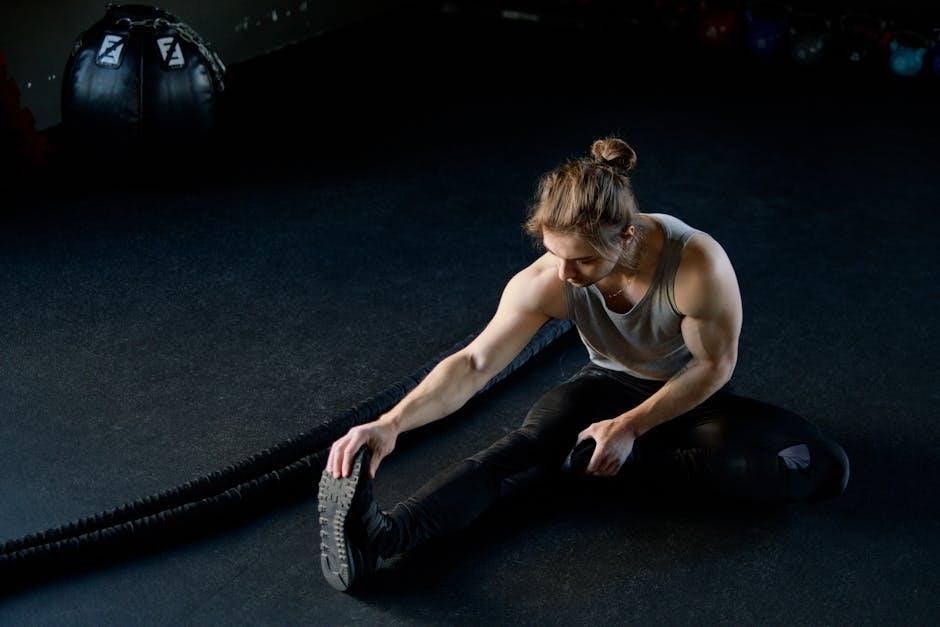
Stretching is crucial during the intermediate phase (weeks 3-6) to restore flexibility and reduce stiffness. Incorporate both Quadriceps and Hamstring stretches into your daily routine. For the Quadriceps stretch, stand holding onto a stable surface, gently pull your heel towards your buttock, feeling a stretch in the front of your thigh.

For the Hamstring stretch, sit with legs extended, reach towards your toes, keeping your back straight. Hold each stretch for 20-30 seconds, repeating several times. Gentle stretching improves range of motion and prepares muscles for strengthening.
Quadriceps Stretch
Performing a proper Quadriceps stretch is vital for regaining flexibility. Stand tall, maintaining good posture, and hold onto a stable surface for balance if needed. Gently bend one knee, bringing your heel towards your buttock. Reach back with the same-side hand and grasp your foot or ankle.
Feel a stretch along the front of your thigh. Avoid overextending or forcing the stretch. Hold this position for 20-30 seconds, ensuring a comfortable stretch, not pain. Repeat 3-5 times on each leg. This stretch targets the quadriceps muscle group, improving its length and reducing tension.
Hamstring Stretch
Maintaining flexibility in the hamstrings is crucial alongside quadriceps work. A common method involves sitting on the floor with one leg extended straight and the other bent, foot tucked towards the inner thigh. Reach towards your toes on the extended leg, keeping your back as straight as possible.
You should feel a stretch along the back of your thigh. Avoid bouncing or forcing the stretch. Hold for 20-30 seconds, repeating 3-5 times per leg. Another option is a standing hamstring stretch, gently reaching for your toes while keeping legs straight, but not locked.
Phase 3: Advanced Strengthening (Weeks 7-12)
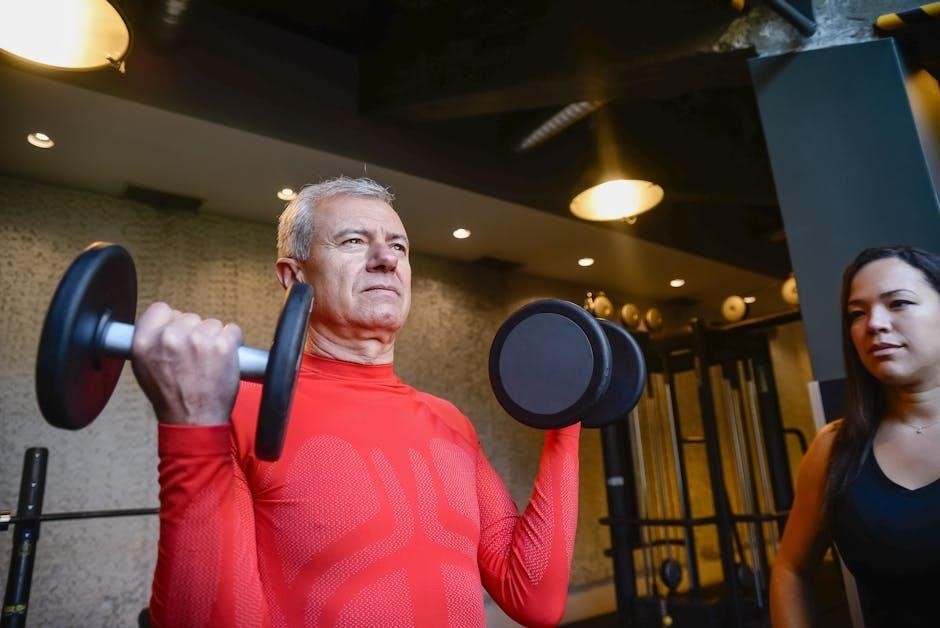
Progressive resistance, including leg extensions and wall squats, alongside proprioceptive exercises like single-leg stance, builds strength and stability.
Progressive Resistance Exercises
This phase focuses on rebuilding strength lost during immobilization and the initial phases of recovery. Leg extensions, performed with low weight initially, are crucial for isolating the quadriceps muscle. Gradually increase the resistance as tolerated, monitoring for any pain. Wall squats are another excellent exercise, providing a functional strengthening component. Begin with shallow squats, ensuring proper form – back flat against the wall, core engaged – and progressively deepen the squat as strength improves.
Remember, proper form is paramount to avoid re-injury. Listen to your body and avoid pushing through significant pain. The goal is controlled, progressive overload, not maximal effort. Consistent adherence to the exercise program, guided by a physical therapist, is key to successful rehabilitation and a return to full function.
Leg Extensions (Low Weight)
Leg extensions, initiated during the advanced strengthening phase, target the quadriceps muscle group. Begin with minimal resistance, focusing on controlled movements throughout the entire range of motion. Ensure the machine is properly adjusted to avoid stressing the knee joint. Perform 3 sets of 10-15 repetitions, gradually increasing the weight only when pain-free and maintaining proper form.
Avoid locking the knees at the top of the movement and control the descent to prevent sudden loading of the quadriceps tendon. Monitor for any signs of pain or discomfort; if experienced, reduce the weight or discontinue the exercise. This exercise is vital for restoring full quadriceps strength.
Wall Squats
Wall squats are a foundational exercise for rebuilding quadriceps strength with reduced stress on the knee joint. Position your back flat against a wall, feet shoulder-width apart, and slowly slide down into a squat position, aiming for a 45-60 degree angle at the knees. Maintain a straight back and engaged core throughout the exercise.
Perform 3 sets of 10-15 repetitions, holding each squat for a few seconds. Avoid going too deep, especially if experiencing pain. This exercise effectively strengthens the quadriceps, hamstrings, and glutes, promoting overall lower body stability and function during rehabilitation.
Proprioceptive Exercises
Proprioceptive exercises are crucial for restoring balance and coordination after a quadriceps tendon injury. These exercises retrain the body’s awareness of its position in space, enhancing stability and reducing the risk of re-injury. Begin with single leg stance, holding for 30 seconds, gradually increasing duration and difficulty.
Progress to balance board exercises, challenging stability in multiple planes of motion. Focus on maintaining proper form and controlled movements. Incorporate these exercises into your routine 2-3 times per week, emphasizing quality over quantity, to rebuild neuromuscular control and functional movement patterns.
Single Leg Stance
Single leg stance is a foundational proprioceptive exercise, improving balance and stability. Begin by standing on the affected leg, maintaining a slight bend in the knee. Hold this position for 30 seconds, focusing on keeping your core engaged and avoiding any swaying.
As you progress, challenge yourself by closing your eyes or performing the exercise on an uneven surface. This increases the demand on your balance mechanisms. Repeat 3-5 times, ensuring controlled movements and proper form. This exercise rebuilds neuromuscular control, vital for functional recovery.
Balance Board Exercises
Balance board exercises further enhance proprioception and stability, building upon the single leg stance. Carefully step onto the balance board with the affected leg, maintaining a controlled posture. Begin with small, controlled rocking motions in all directions – forward, backward, and side to side.
Focus on engaging your core and quadriceps to maintain balance. As your confidence grows, increase the range of motion and challenge yourself with more dynamic movements. Perform 3-5 repetitions, holding each position for 20-30 seconds. This exercise simulates real-life movements, preparing you for a return to activity.
Return to Activity & Prevention
Gradual return to sport is key, guided by clinical decision-making; preventative measures and long-term management are crucial for sustained recovery.
Gradual Return to Sport/Activity
Returning to activity following quadriceps tendon repair requires a carefully orchestrated, progressive approach. The intent of the rehabilitation protocol is to provide clinicians with a guideline, not a rigid substitute for clinical judgment. Factors influencing outcomes include tissue quality and the strength of the repair itself. Collaboration with the referring physician regarding repair integrity is essential.
Initially, focus on low-impact activities, gradually increasing intensity and duration. Monitor for any pain or swelling, adjusting the program accordingly. A stepwise progression, guided by functional milestones, minimizes the risk of re-injury. Remember, individual healing rates vary, so personalization is paramount. Prioritize proper form and technique throughout the return-to-sport phase.
Preventative Measures & Long-Term Management
Long-term management centers on maintaining quadriceps and hamstring flexibility through consistent stretching – including supine ITB stretches performed daily. Strengthening exercises, like short arc quads and leg extensions (with low weight), are crucial for sustained support. Electrical stimulation, utilizing parameters like Russian waveform at 2500 Hz, can aid pain management and muscle activation when needed.
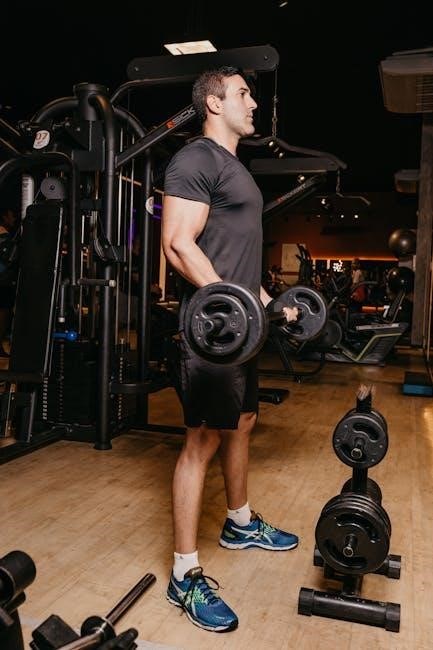
Proactive measures include proper warm-up routines before activity and gradual increases in training intensity. Addressing biomechanical imbalances and maintaining optimal conditioning are vital. Continued adherence to a home exercise program ensures long-term tendon health and minimizes recurrence risk. Regular monitoring for any pain signals is key.